April 13th, 2026 | Michael Proctor
Most of us have tried to change someone else.
A coworker who keeps missing deadlines. A friend stuck in that same destructive pattern. A spouse, a child, a teammate who you know could do better if they would just listen. We explain. We correct. We have the same conversation over and over. We assume that if they understood what needed to change, they would. Likely, they do understand, but still, they don’t change.
We know this because we have experienced the same thing ourselves. We already know the habits we should break, the conversations we should have, the discipline we should practice. Information is not usually the problem. Something deeper is.
People don’t change because they are told what to do. People change when they feel accepted and safe enough to lower their defenses.
For more than four decades, Phil and Debbie Douce have lived as witnesses to this truth. From caring for children in foster care homes in the United States to street youth and trafficked girls in Quito, Ecuador, their lives tell a consistent story: lasting change is not built through programs or strategy alone, but through long-term relational presence and open-handed leadership. When they see a problem, they do not rush to fix it. They choose to build relationships and stay for the long haul, and in staying, they watch lives slowly change.
Today we explore the truth of change in people through the story of Phil and Debbie working at One Collective with at-risk youth. Because they sit with some of the most broken and see real, lasting change.
Learning to Stay
The table was always too small. Plates overlapping, elbows brushing, a chair pulled in from the living room. Sometimes a child sat with their back to the room, hood up, eyes fixed on the edge of their plate. Often, there were short answers to gentle questions, and at other times, emotional outbursts.
This was long before Ecuador — long before Phil and Debbie had a vision for ministry abroad. Their story began as foster parents for children who had nowhere else to go.
They were schoolteachers at first, then became house parents for an emergency care home in Columbia, Missouri. In just two years, more than 250 children passed through their doors. Some stayed one night. Some stayed longer. All arrived carrying stories too heavy for their age. Through this, they learned that the children others struggled to place were often the ones they felt most called to love.
The Lord started to place on their heart international missions work in South America. But Phil, having grown up doing missions in South America, had some complicated feelings about organized missions work.
He had seen families burn out, cultures misunderstood, and well-meaning systems cause harm. He was skeptical of Western approaches that tried to fix problems without truly knowing people. He often said, half-joking and half-serious, that fundraising felt less like ministry and more like trying to sell people on a religious product.
Yet even with that resistance, his life kept bending toward the margins. Toward those on the edges. Toward people who had learned not to trust easily.
Because of this fear and experience, Phil and Debbie lived with one clear conviction: their own family and children would never become the cost of their calling as Phil saw happen with so many other missionaries. If God invited them into something new, it would have to include each of their children.
Phil said:
“My non-negotiable was all four of our kids had to be on board. They had to want to do this. And I was convinced that if even just one didn’t want to do it, that was enough for me, to not go.”
So when the possibility of moving overseas eventually surfaced, they did not rush. They invited their four kids into the decision. Their youngest, who was six, said:
“I don’t want to move, I don’t speak the language. It’s scary there. Traffic’s scary. Nobody wears seatbelts. They like to touch my hair and touch my cheeks. Maybe in two years.”
So they waited.
They had not yet arrived in Ecuador.
But they already understood something essential: real change grows slowly, in the presence of those who stay.
Starting Small
After waiting two years for their youngest to feel confident in the transition, they moved to Ecuador in 2002.
Phil was hired to direct El Refugio, a 320-acre training and retreat center outside of Quito. It was a place designed to help people deepen their relationship with Jesus through nature, and outdoor adventure. For most Americans, it would feel something like a church or adventure camp.
But God was calling them to something beyond the gates of El Refugio.
In Quito, children filled the streets. Some would breakdance for spare change. Some slept in abandoned buildings. Some drifted from corner to corner, learning quickly how to survive. There were no systems to reach them and no clear paths toward something different. The problem felt overwhelming but desperately needed a solution.
While running the retreat center and learning a new culture, the Douces found themselves pulled in a familiar direction.
“We just gravitated towards the street kids in Quito,” they shared.
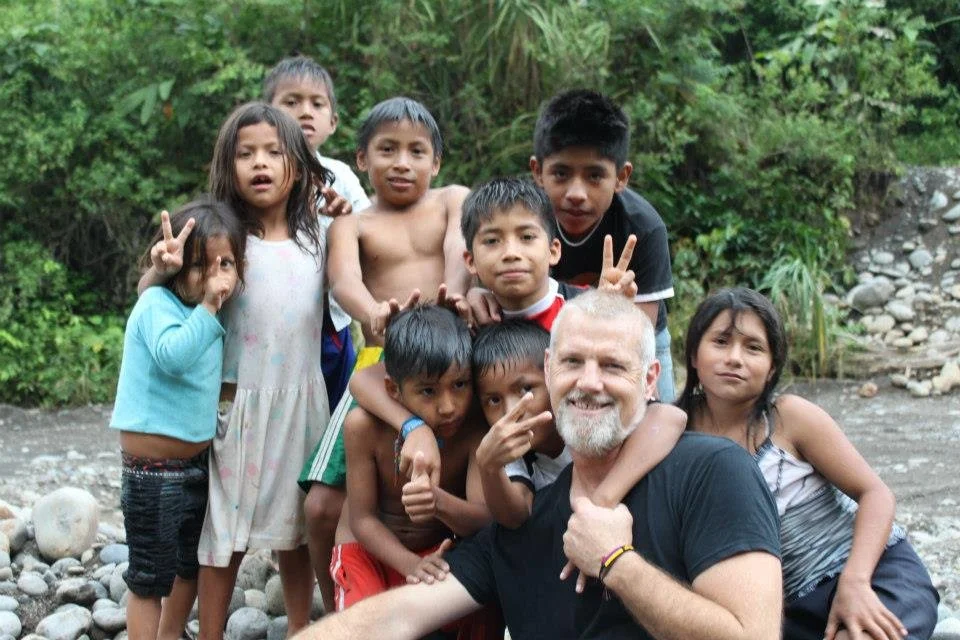
So they started small. Once a week on Tuesdays, when pizza was buy one, get one free, they loaded up their own children and went to sit with boys who had no home. There was no program, no lesson plan, no expectations. They just sat with them and talked. They laughed together and they listened. And most importantly, they kept showing up every week. We do need to mention that Youth World had already reached out to a handful of these street boys but did not know what or how to take the next step.
Debbie remembers those early nights:
“We jumped in with these kids, building relationships. Some of the kids were as young as six or seven. We started building relationships with these boys, and that - for our children too - felt like we were home.”
What began as a simple weekly rhythm slowly became something significant. Trust was starting to grow, stories were being shared, and the boys started to know they were accepted for who they were.
Over time it became clear that one night a week was not enough for real change with these children. Phil realized he could not keep this work on the margins of his life. Phil wanted a longer-term, sustainable way to care for these boys.
Within three years, those pizza nights grew into what became Casa Gabriel, a 24/7 holistic discipleship community for street boys. A home built around long-term relationships and trust.
But even as that work took shape, another question began to rise. If there were boys on the streets, where were the girls?
The answer to that question would change Debbie’s life.
The Hidden Girls
The boys were visibly everywhere.
But the girls were not.
It was a question that would not leave them. They sat with boys night after night. They learned their names, their stories, their fears. They watched them survive on sidewalks and in abandoned buildings. But in a city filled with children on the streets, something felt off.
If these were the boys,
Where were the girls?
The answer was not found on the sidewalks.
They learned that the girls were hidden in brothels. Not breakdancing for spare change. Not sleeping in doorways. They were trapped in rooms, trafficked, exploited, and often younger than anyone wanted to imagine. While the boys were surviving in public, the girls were being erased in private.
For Debbie, the reality cut especially deep. She had spent years as a special education teacher. She knew how trauma shapes the nervous system, how shame buries hope, how deeply wounds can settle into a person’s sense of worth. But meeting these girls was different. This was not a problem she could set down at the end of the day. This was a grief she could not outrun.
At first they resisted trying to come up with some type of solution. Tackling the problem of underaged sex-trafficking is not easy at all. Debbie says:
“The girls were 11 to 18… I found where these girls were: in brothels. Prostitution is legal in Ecuador except for underage minors. If an underage girl was found in a brothel, she would be removed and put in a safe house… But there was not enough support at these safe houses.”
Debbie wrestled with what it would mean to say yes to something that heavy. She questioned why God would ask this of her, and she knew full-time obedience would cost them. But she also knew she could not look away.
“There was an encounter with the girls,” she later said. “I was happily working as a teacher. But I experienced these girls, and God said, ‘These girls will be the jewels of my crown.’” From here, she knew God was calling her to this..
Just as with the boys, the first step was not a program; it was relationship. Around that same time, an intern named Desiree arrived with a heart for the women. She began asking the same question, and eventually found a safe house where trafficked girls were being placed. It was not a complete solution, but it was a door, and the Douces walked through it.
Not everyone supported the idea. The work felt risky. Too complex. Too dark. But Scott Olson, the CEO of One Collective, urged them forward, and a team in the Netherlands that had experience offered oversight. Slowly, the pieces aligned.
This is how End Slavery Ecuador, a long-term, holistic support program, was born. They focused on filling the voids exploitation had carved into these girls’ lives - emotionally, physically, psychologically, and spiritually. Just as with the boys, they chose presence before programs and belonging before change.
They did not go looking for this work. But once they saw it, they could not unsee it.
One of those girls was trafficked at twelve years old.
For years, her life was survival. Abuse, instability, and pain shaped what she believed about herself and the world.
When she arrived at Casa Adalia, she was no longer in immediate danger, but the long-term effects, fear shame, and self-harm remained.
Debbie remembers sitting with her in those early days, simply staying and not trying to fix her. She did this by listening, slowly bandaging the wounds as they surfaced. Reminding her again and again: you are not alone.
Healing was very slow. Some days felt like progress while others felt like starting over. Over time, though, trust grew and with it healing. Today, years later, she is still healing. But she is also leading. She now serves on the team in Ecuador, walking with others through the same darkness she once knew.
Depth over Scale
It would have been easy to grow quickly. To do what the world often says we should do with anything we build: scale it. The need was obvious and abundant, and the stories were compelling for donors to get involved. More beds, more building space, more employees to support more kids. But Phil had learned something long before Ecuador: Jesus had thousands who wanted to follow him, but he chose twelve. And those twelve changed the world. For the Douces, this was a model for lasting change.
They believed that transformation begins with long-term relationship. So instead of building a program designed to move people through as efficiently as possible, they built a home designed to hold people long enough to heal.
In practice, that looked less like a program and more like a shared life.
The boys were invited to weekly meals at the Douces’ home. Sundays were spent together at church, followed by long lunches where everyone reflected on what they heard. Afternoons turned into soccer games, conversations, and simply being together.
Holidays were not separate. Christmas, New Year’s, and even vacations were shared.
Debbie met one-on-one with the young women each week. She listened, sat in their pain, and stayed through the hard moments. There were classes, team meetings, and outreach, but the real work happened in conversations, in presence, in not leaving. It was not efficient but instead relational and consistent.
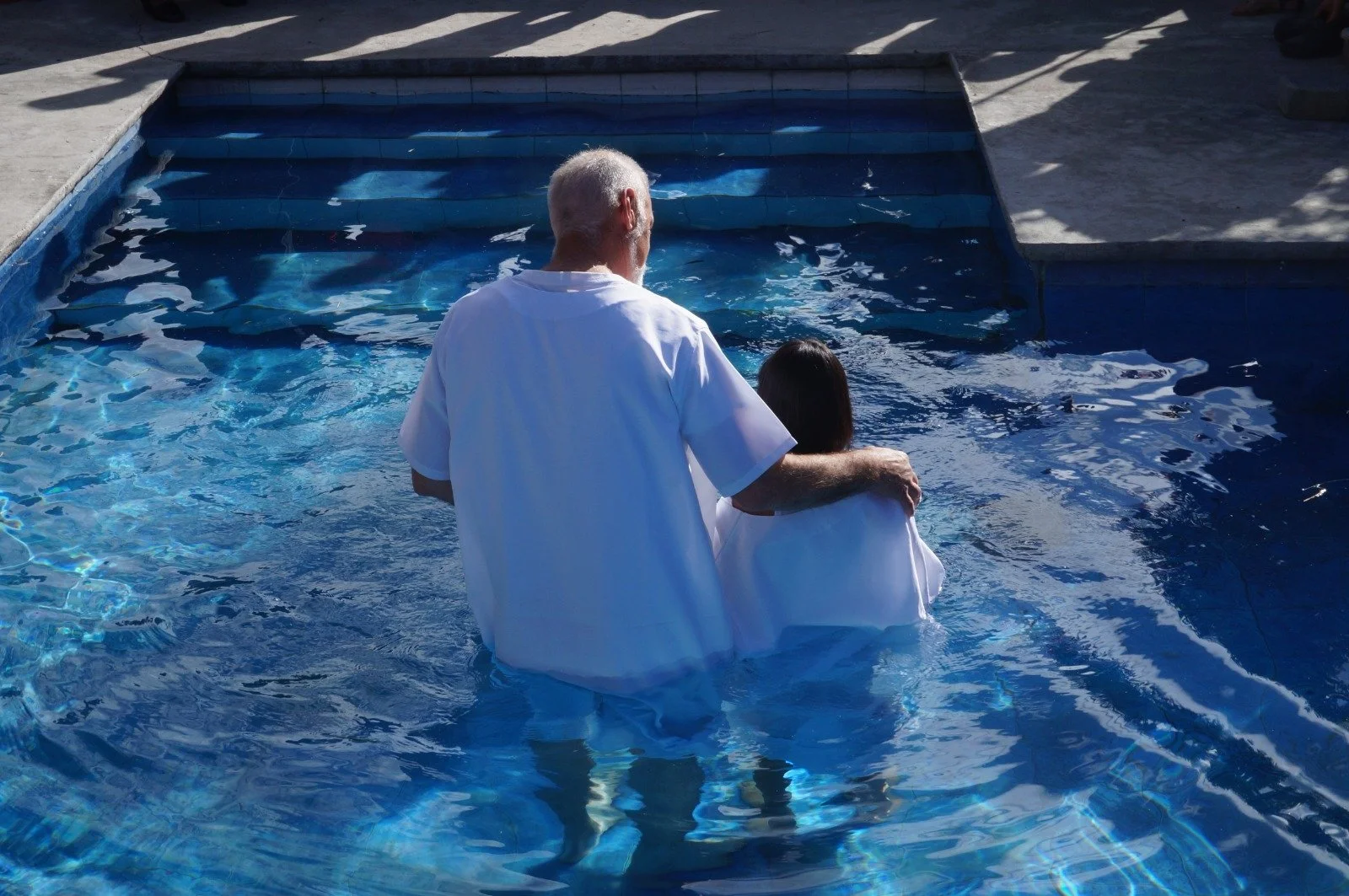
Casa Gabriel is a 24/7 discipleship community home. A place where the boys felt wanted, and not just provided for. There is a big difference between a group home that provides a warm bed, food, and clothes, and a place where someone wants to know you. Where someone cares enough to sit with you, build a relationship, and slowly break through the walls you’ve built around yourself as you’ve lived on the streets or in a home that did not feel safe. This is what made Casa Gabriel different: Phil prioritized relationships above all else without excluding the holistic individual (physical, social, spiritual, cognitive, emotional, and purpose).
On a more practical level, there were three things Phil often noticed boys participating with Casa Gabriel came from a place of: poverty, lack of education, and absent fathers. No single program could solve all those realities. But consistent presence could begin to soften them. Healing did not happen in school or a workshop. It happened over meals and conversations that stretched late into the night. In moments of anger, relapses, and someone staying through it all.
The same was true for the girls at End Slavery Ecuador. They did not enter a system that only provided the bare necessities. Instead they entered a home where there was relationship and they were wanted along with providing those essentials we all need. A home with space to process the trauma, to experience set backs, and have someone stay through it all. They were not defined by what had been done to them, but by who they were becoming. Emotional, physical, psychological, and spiritual care were woven together through a long, slow relationship.
Many would say this was not efficient, but that, in its own way, was the goal. When you focus on your “job” and seek to make things bigger and more efficient, those you have a relationship with can start to feel less like people and more like projects. Phil reflects:
“We’re assuming that growth is a positive thing. Growth isn’t always good… growth can be determined differently from God’s point of view than it is from man’s point of view… He’s more interested in each person’s growth than he is about organizations or programs and numbers…”
To the kids living in these houses, what slow, long-term relationship says is: you are not a season; you are not a success metric; you are worth my time, even when you cannot change quickly. This required something rare in a world obsessed with results through metrics: the courage to stay small enough to stay personal.
Letting Go of Leadership
From the beginning, Phil was determined that Casa Gabriel and End Slavery Ecuador could never become an extension of his identity. He had seen what happens when leaders confuse calling and ownership. When the work becomes inseparable from the person who started it. Because when success depends on one personality or presence, that ministry might grow quickly but rarely does it last.
So even while Casa Gabriel and End Slavery Ecuador were still forming, Phil and Debbie were already thinking about what it would mean to let them go. The question was never if the work would be handed over, but how.
For Casa Gabriel, the answer to this handoff came through the same principle that built the home in the first place: relationship. Jorge and his wife had mentored boys at Casa Gabriel and then had become House Parents for Casa Gabriel. He was also Ecuadorian, he understood the culture instinctively, and had already been walking with the kids long before anyone talked about titles or leadership. Phil trusted him, not because Jorge would do things the exact same way, but because he had the character and context to lead faithfully.
The transition was slow and intentional. A full year. Clear conversations with staff. Honest conversations with the boys. Visual moments to mark the change. Phil wanted everyone to understand that while leadership was shifting, belonging was not.
“This ministry does not belong to Phil Douce,” he said plainly.
For Debbie, the handoff carried its own weight. There was fear in stepping back, and grief in releasing something she had poured herself into.
But the new director asked her to stay on for a season, and Debbie had confidence in the team. So she remained for a year, mentoring, supporting, and helping guide the transition. Phil did the same, continuing to support the work through board involvement and ongoing care.
Over time, the calls came less often. The work continued without them, and that was by design.
Not everything stayed the same. Some changes were hard to watch. But the ministries were alive. Growing in their own way. Rooted locally. Led by people who would remain long after the founders had stepped aside.
For nearly twenty years, the Douces stayed. They did not just start something and move on. They built slowly, endured the hard seasons, and then handed it off with care. And they did not do it alone. One Collective provided wisdom, community, and long-term support. It was the kind of partnership that made the work sustainable, not personality-driven, and helped ensure the ministries could keep growing under local leadership long after the founders stepped aside. That, for the Douces, was success.
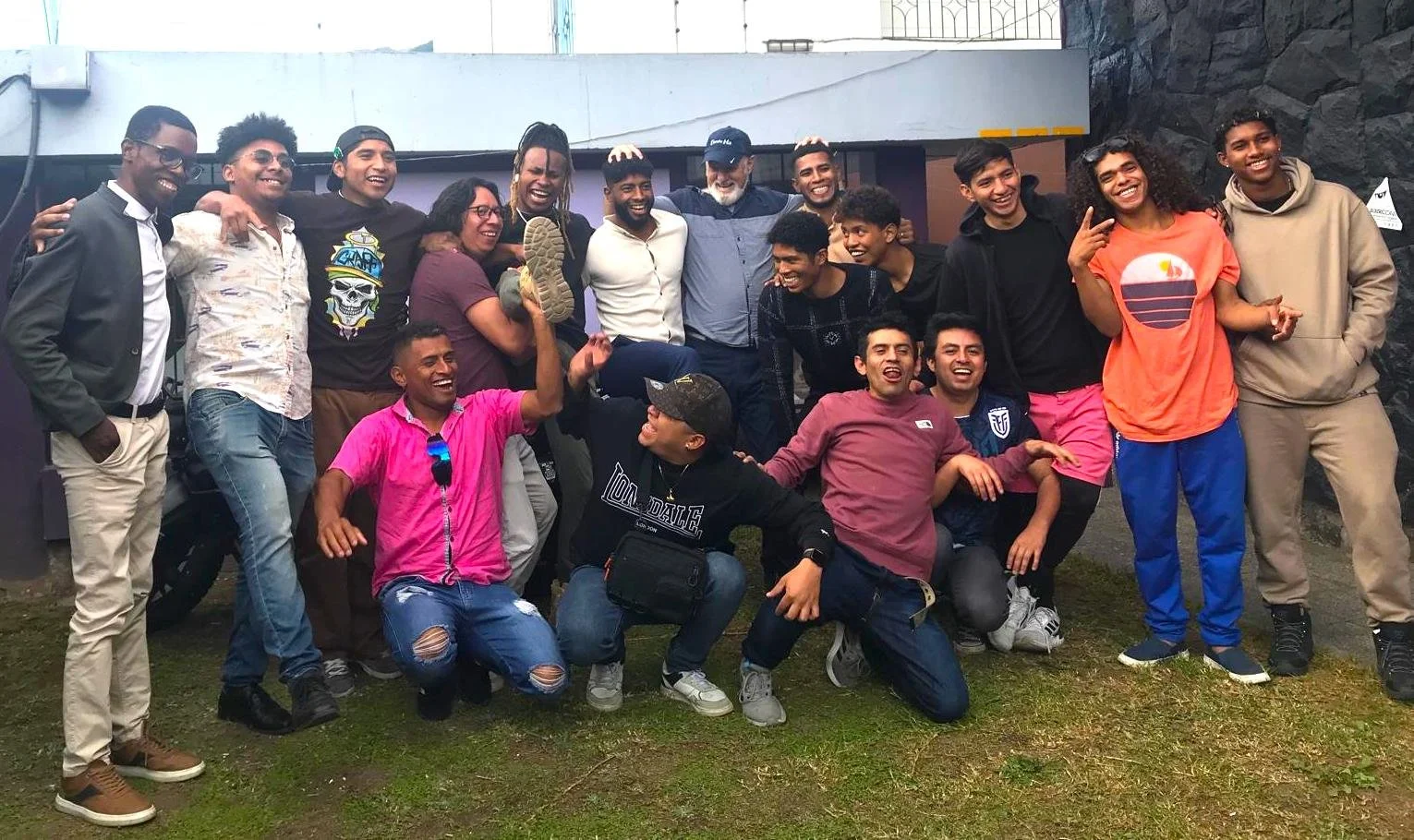
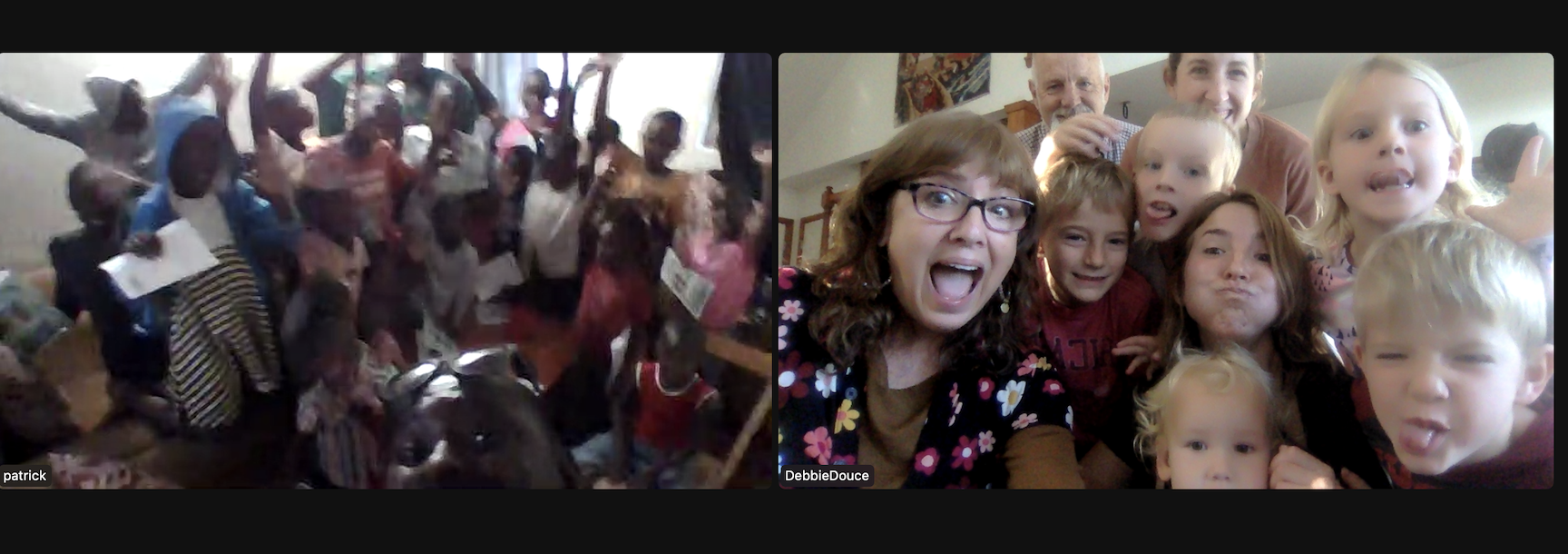
Today, they still return to Ecuador each year. Because the people still deeply matter to them. The young men of Casa Gabriel and the women and children of Casa Adalia are family, and family is not something you walk away from. They train teams in trauma-informed care, mentor leaders, and sit with the next generation, but their presence says something deeper: you have not been forgotten, and you have not been abandoned. One young woman told Debbie, “Because you don’t forget me, it makes me think maybe God won’t forget me either.”
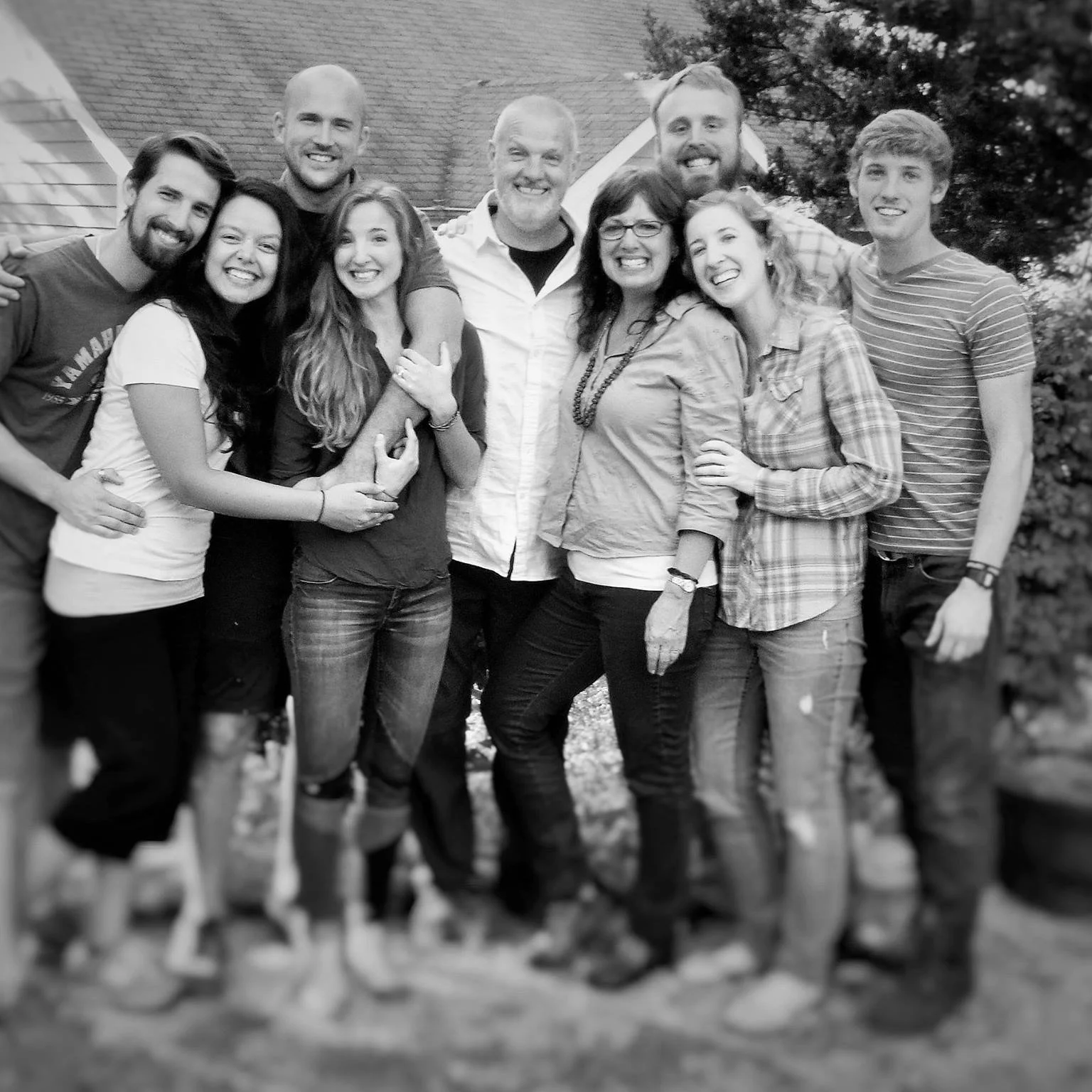
And when Phil and Debbie look back, they often point to a legacy even closer than the ministries. They brought their children into the work, not as baggage, but as participants. Four kids raised across cultures, formed by the same long obedience their parents offered to others, now serving God and serving people in their own ways. Eleven grandchildren growing up with that inheritance.
This is what lasting transformation looks like. People who are known before they are taught. People who belong before they are expected to change. And leaders who prioritize longevity, trust, and open-handed faithfulness.

More Articles from One Collective: