In Chibolya, Zambia, men who were once written off by their community are building a business - and a different future.
Most communities have people they’ve learned to define by the worst parts of their story. A failure. An addict. A drunk. In Chibolya, Zambia, men struggling with addiction and broken relationships had been written off by nearly everyone around them. Their choices had caused real harm - but over time, their failures became the only thing anyone could see.
For years, Ben, our Catalyst in Zambia, had invested in relationships with men throughout the community. But as an outsider - often seen simply as “the white guy” - the trust needed for lasting change was hard to build. The breakthrough came, unexpectedly, as Ben and his family were preparing to leave Zambia for a season. Bornface, One Collective’s Director of Security in Zambia, felt God prompting him to invest in five or six of these men himself. He invited them to gather each week. There was no business plan and no program. They talked about life, studied Scripture, and worked through the four relationships described in When Helping Hurts: with God, with ourselves, with others, and with creation.
As the men met, the Holy Spirit began changing their lives- and began changing Bornface too. He became convinced he could no longer define these men by their addictions and failures. “They are image bearers,” he said. “They are created in the image of God. We respect them as being created just the same as ourselves.”
That shift was more than a kinder label. It was a declaration of dignity - a move from seeing problems to solve to seeing people with God-given value, gifts, responsibility, and the ability to create something good. As Bornface’s perspective changed, so did the way he treated them. Trust grew. What began with six men became a Bible study of ten to twelve.
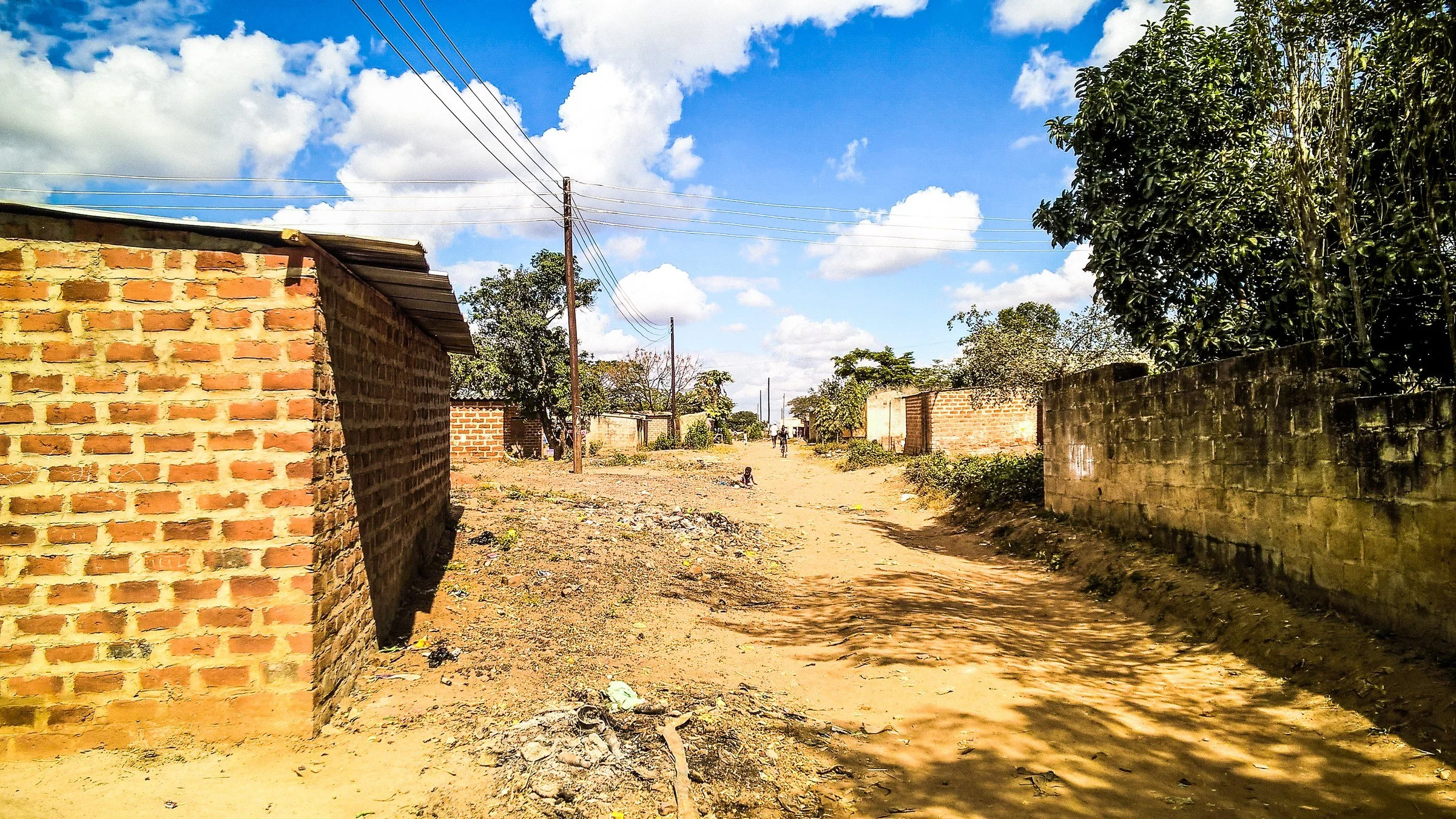
A street in Chibolya, Zambia
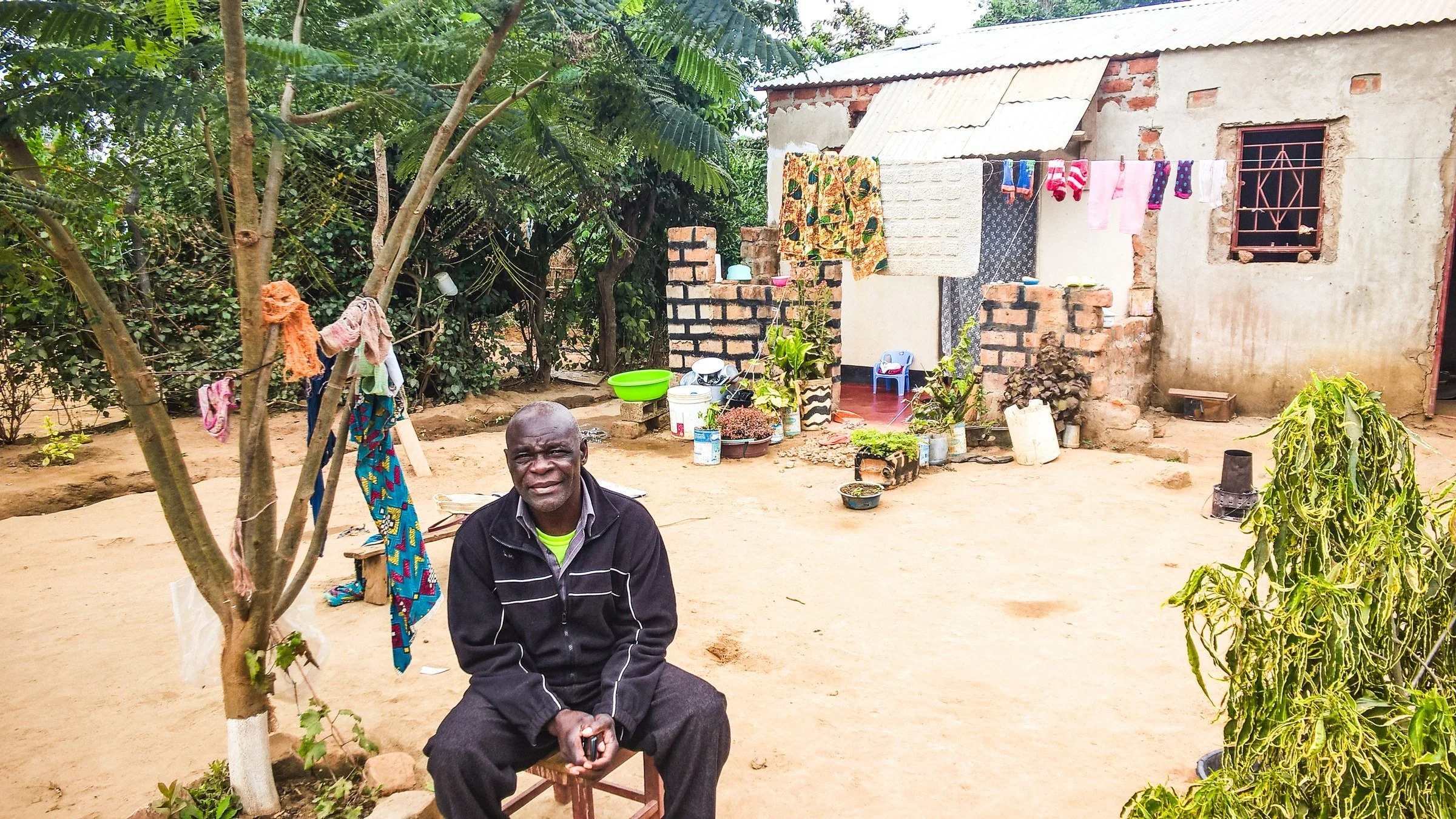
A man near his home in Chibolya
Moses remembers what life was like before. As he kept studying Scripture, he came to know Jesus. He wasn’t alone. Men began returning home, repairing relationships, and treating their families and one another differently.
Soon the group started asking a practical question: how could their changed lives bring change to their homes and their community? They started with a village banking account. Traditional banking was expensive, limited, or hard to trust, so each man contributed a small amount at every meeting. Together they set the rules - what counted as a genuine emergency, how the money could be used, who was accountable to whom. They stayed committed, and over time the fund grew into something that could actually do some good. Which raised a bigger question: could it seed a business?
“I was really in a dead place. I didn’t know what was going on.”
Bornface led the men to listen to their community first. Their simple market research surfaced a real need. Zambian schoolchildren are required to wear specific black shoes as part of their uniform, but the shoes available nearby were expensive, uncomfortable, and poorly made - and without them, children could be turned away from school.
So the men developed a plan to make and repair shoes. They built the business themselves and structured it around shared ownership: each participant invested personally, One Collective provided grant funding, and the remaining capital came through a loan. The group already had most of the skills it needed. Lapford Piri knew how to repair, make, and design shoes, belts, and handbags. Another member brought nineteen years of tailoring experience. Moses became chair of the disciplinary committee, keeping the group accountable to the values they had learned together.
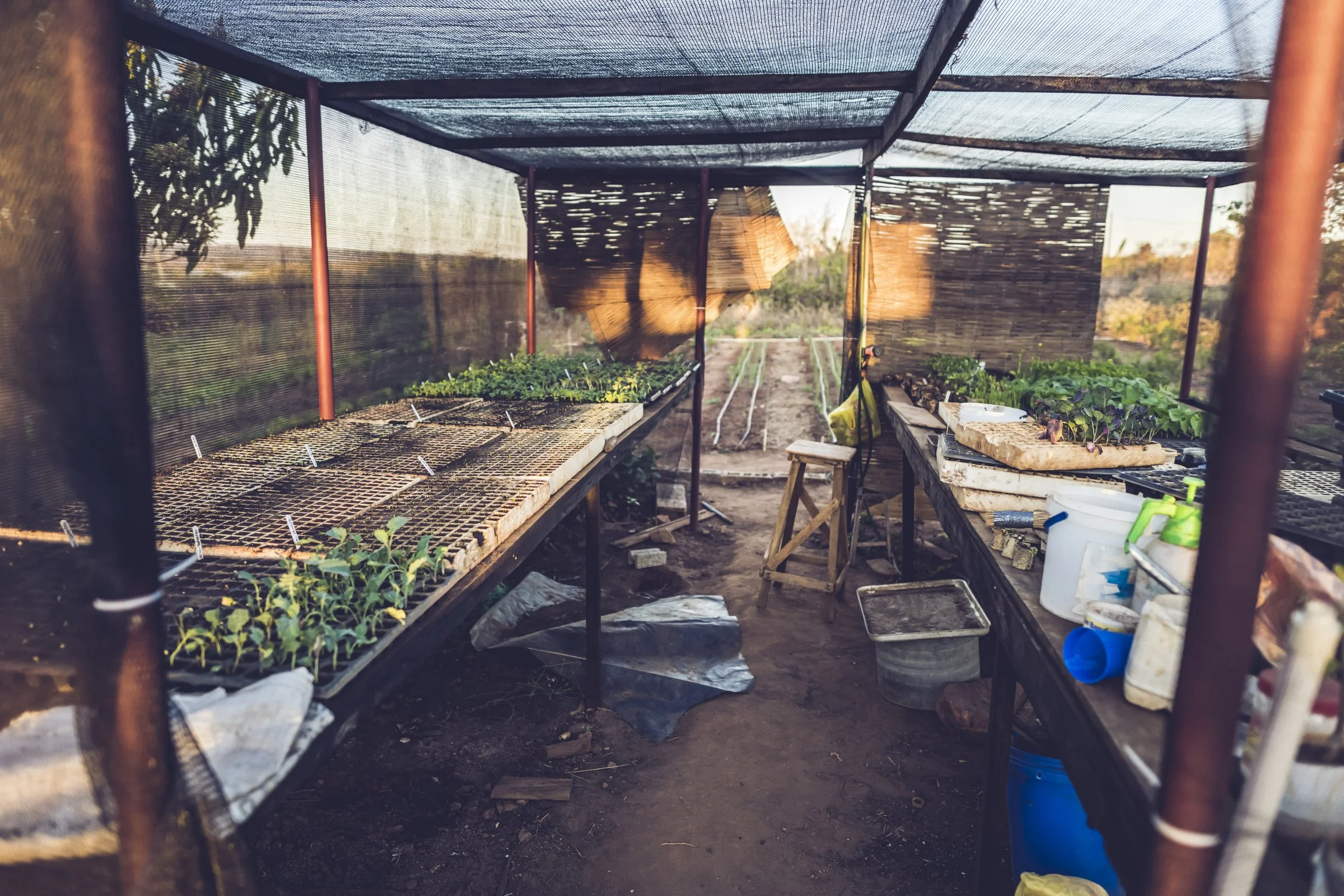
The start could have been smoother. Shoe molds and equipment cost more than the original budget allowed, delaying full production. Instead of abandoning the idea, they started with what they had - repairing shoes and selling bags of mealie meal to build income while the manufacturing side came together. Today the men meet twice a week, once for Bible study and once for business, and the cooperative is still small: they don’t yet have every machine, mold, or material they need. But customers are already coming.
Transformation isn’t only measured by the size of a business. Sometimes it looks like a man returning home. A relationship restored. A group choosing responsibility over isolation. A worn pair of shoes set on a workbench because the community now trusts the hands that will repair them.
Ben invested in Bornface. Bornface invested in the men. Now the men once written off by their neighbors are the ones investing in Chibolya - as leaders, husbands, fathers, and business owners who can pour into others. This is the slow, often unseen work of community transformation, and it always begins the same way: with relationship, with listening, and with recognizing the leaders, abilities, and ideas already present in a community.
The men of Chibolya are making more than shoes. Together, they are making a different future.
More Articles from One Collective: