In a small town outside Quito, a church, a retreat center, and a neighborhood have spent fourteen years living alongside one another. This year, that shared life started turning into shared work.
The church members came back glowing. They had just spent an afternoon walking the streets of Calacalí, a farming town of about 3,000 people on the edge of Quito, Ecuador - the same streets they had lived on for decades. But this time they had stopped at shops and front doors to ask neighbors a question: what are you proud of here, and what is hard? Then, at the end of each conversation, one more question: “Can we pray for you?”
For years, many in the church had assumed their neighbors did not want to talk to them. The walk that afternoon said otherwise. People were open, and people wanted to be asked about their lives and their community. A few weeks later, at a leadership meeting, the church’s elders said they wanted to go further and survey the whole community about what it hoped a church could be.
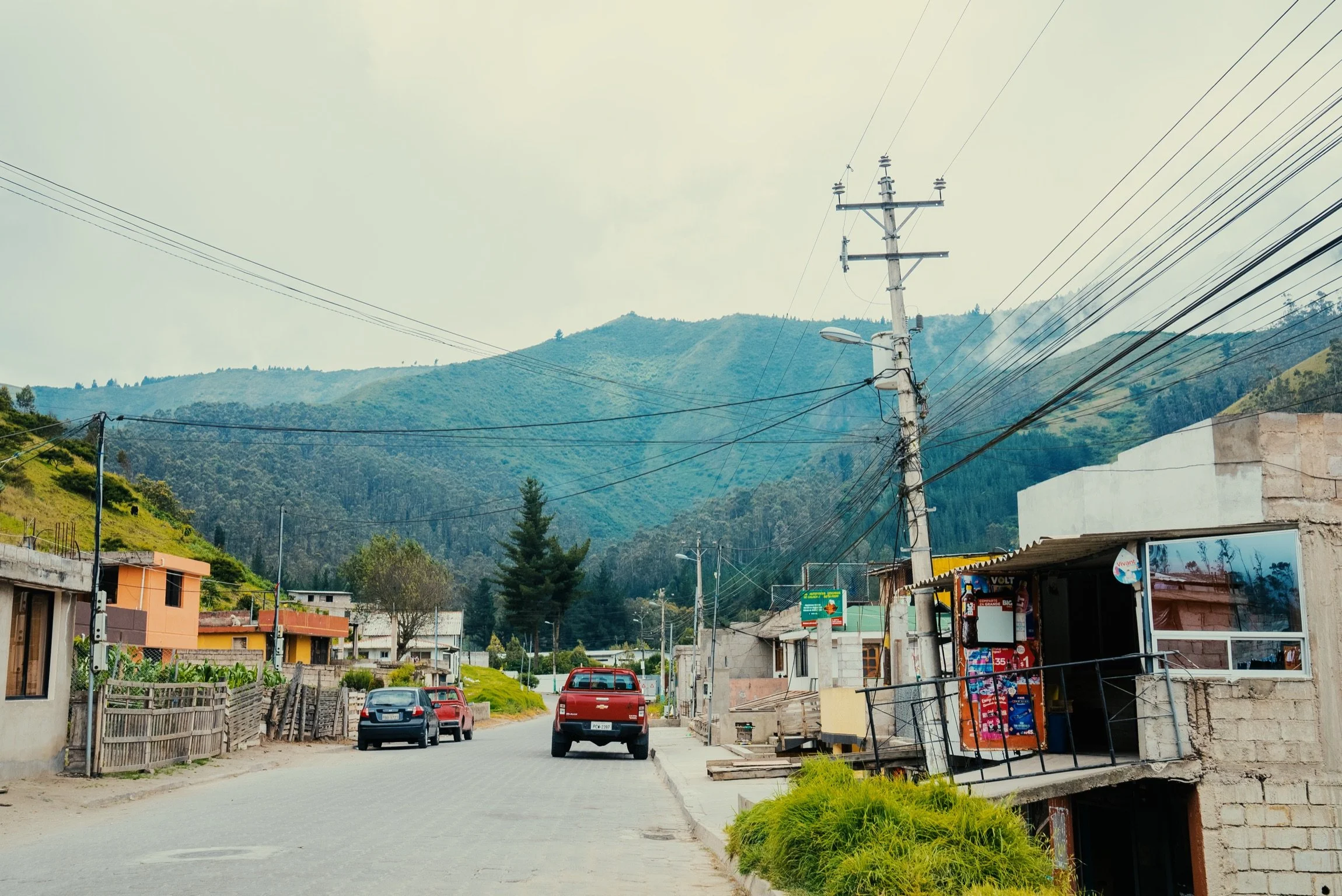
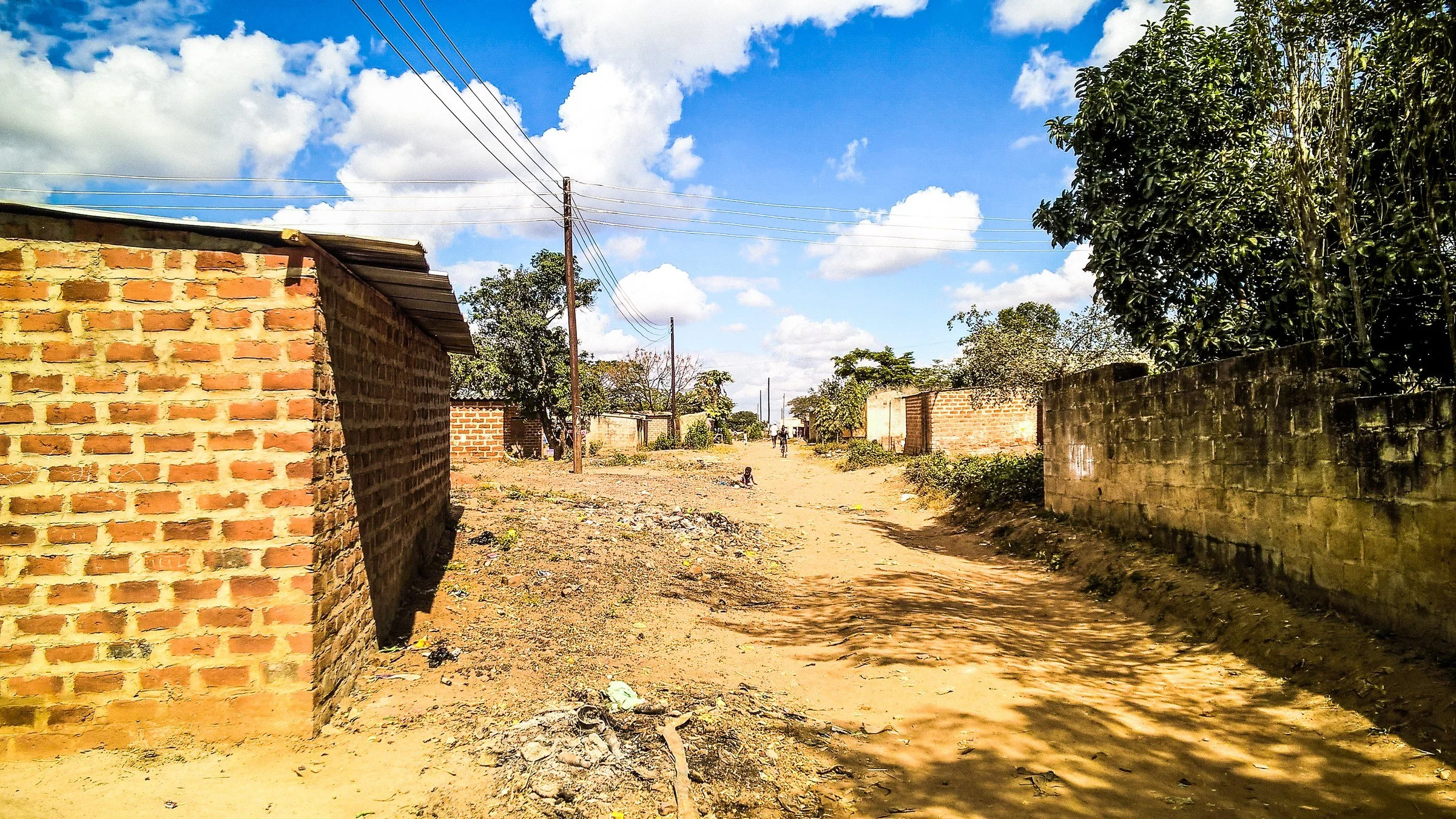
A street in the small town of Calacalí
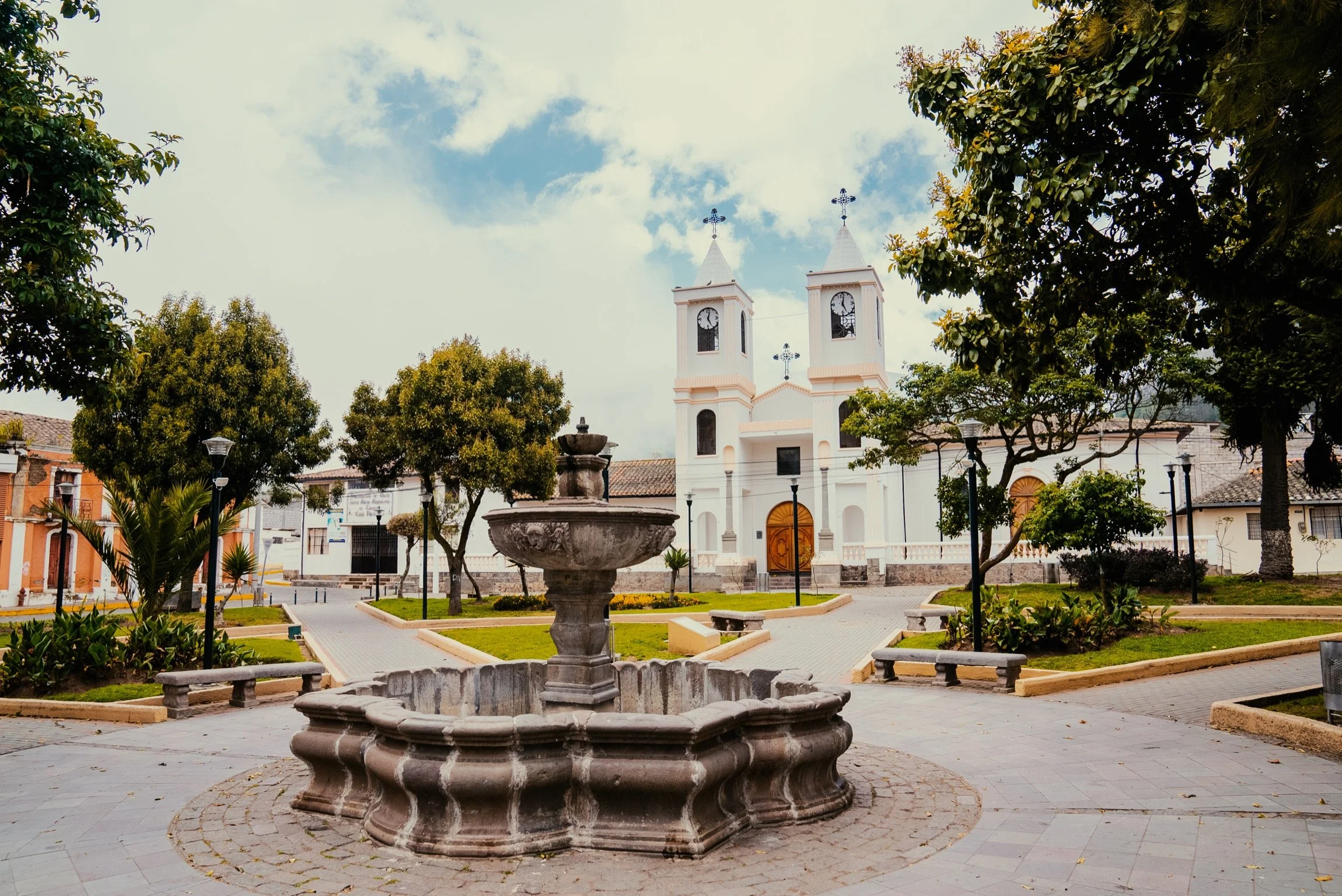
The town square at the center of Calacalí
The thing you need to know about this story is that nothing happened quickly. That walk and the church’s decision was the result of 14 years of community and life together.
On the hill above town sits El Refugio, a One Collective retreat center that hosts camps, internships, and short-term teams. The two have been connected for a long time; the congregation still remembers the family of El Refugio’s first director sitting in its pews.
When Jim and Suzy Olson joined the El Refugio team in 2012, they inherited that history. They made two decisions early. They rented a house in the neighborhood rather than living on the retreat property. And on their first Sunday they walked into the Baptist church, where they were welcomed warmly and, that same morning, asked how they wanted to be involved. “We just wanted to attend, we wanted to learn, we wanted to be a part of this community,” Suzy says. “So for the first six months, we intentionally did not get involved in serving in any way, but were just consistent in showing up.”
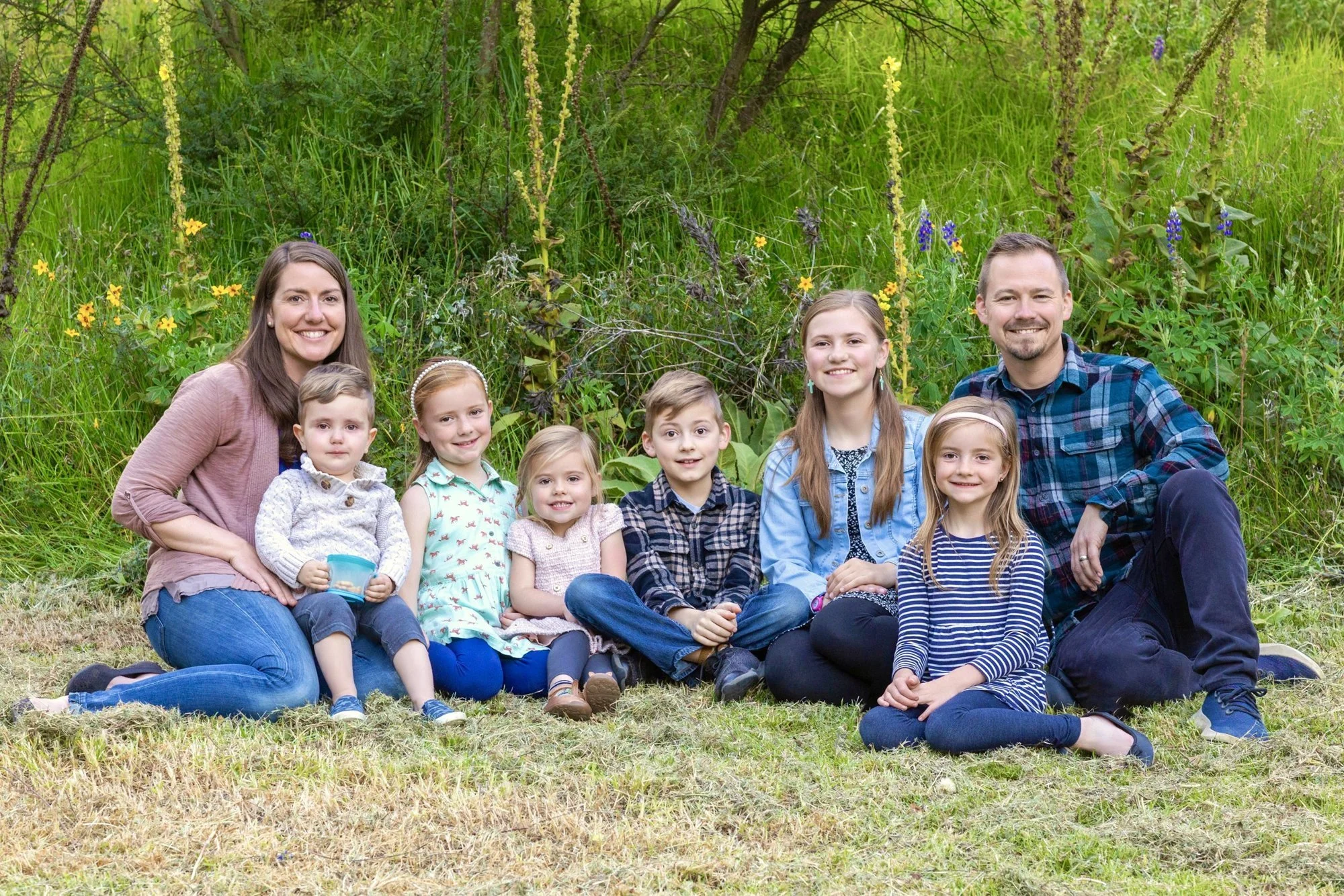
Suzy and her husband, Jim, lead the One Collective team at El Refugio, a retreat center on the hill above Calacalí, and have lived in town since 2012. Jim serves as the community's Catalyst - a role One Collective compares to a general contractor. Suzy serves alongside him as a ministry developer.
The Olsen family in Ecuador
Over the years, their involvement took many shapes. Jim served a term on the church board. Both helped with worship and youth. Their children went to the local school. They bought their produce at the shop down the street and ate at the same restaurant most Sundays. And as their responsibilities at El Refugio grew, they deliberately stepped back from leading at church. “We kind of felt like our role is to support and not necessarily to lead in that setting,” Suzy says.
This kind of posture is exactly what One Collective leaders are trained to use in work around the world. One Collective’s way of working in a place is slow by design. The team’s job is not to run work in a community, but instead looks like finding where God is already at work and then joining the people already doing it - local leaders, churches, neighbors. When these community members are connected and empowered, the result is change that lasts.
At the center of this model is a person One Collective calls a “Catalyst”.
““A Catalyst is the person that comes into this community and tries to coordinate all the different things that are happening. We’re all about bringing people together. So the idea is we’re not necessarily the person or people doing all the work, but the idea is identifying where God is moving and joining with people who are national workers, locals, to try to connect. If you think about the concept of a general contractor that’s building a house, really that’s a lot of what we do as catalysts. We’re not necessarily the ones doing the plumbing and doing the framing and doing the roofing, but we find those key people to take on those different roles... working with local entities and people of peace and just people who are in the community, connecting them to bring about that transformation through community development and also through discipleship. ... That only works if you have been around long enough to know who the key people are.””
Suzy compares this kind of work to what she sees in the Gospels. Jesus heals bodies in an instant, she notes, but he never shortcuts the formation of a person. Character, community, and trust are grown, not installed. "The physical healing is a catalyst to be able to engage in something deeper."
It has not been a tidy fourteen years. “There have been moments where we have been frustrated and fed up and even wondered, ‘Is this a place God is still wanting us to stay?’” she admits. There were also baptisms, celebrations, funerals, and ordinary Sundays. “Just kind of living life together.”
This shared life produces something a program cannot though. “Those relationships that we have formed over time have brought us to a point of being able to see and understand dynamics that we otherwise wouldn’t have known,” she says. “It’s not us versus them, it’s not outsider versus insider. We’re actually in this thing of life together. We can cry together, we can laugh together.” She points to Galatians, where there is neither Jew nor Greek, slave nor free. “We’re all in this formation process together - as a community, as individuals, as a church.”
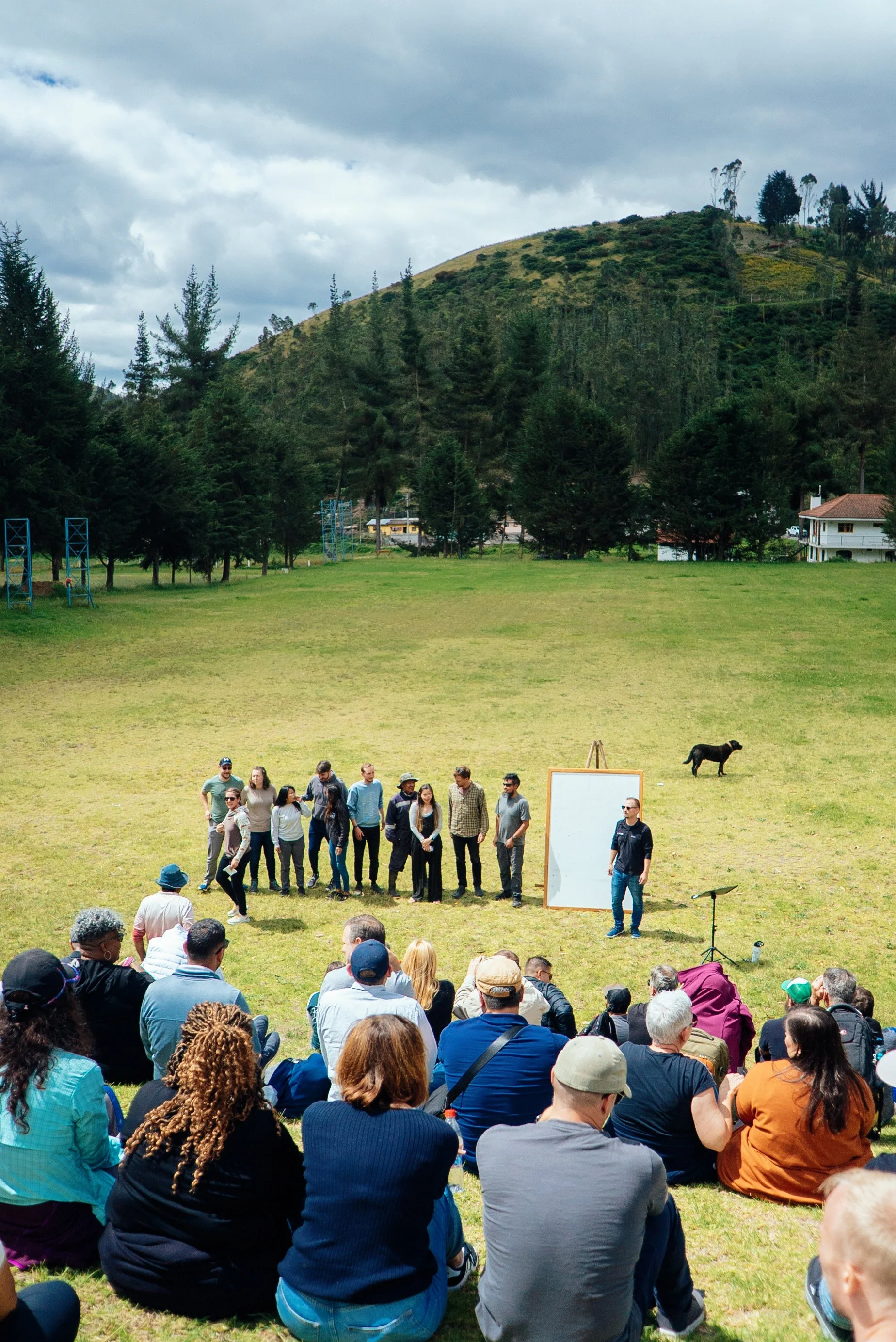
Leaders gather at El Refugio
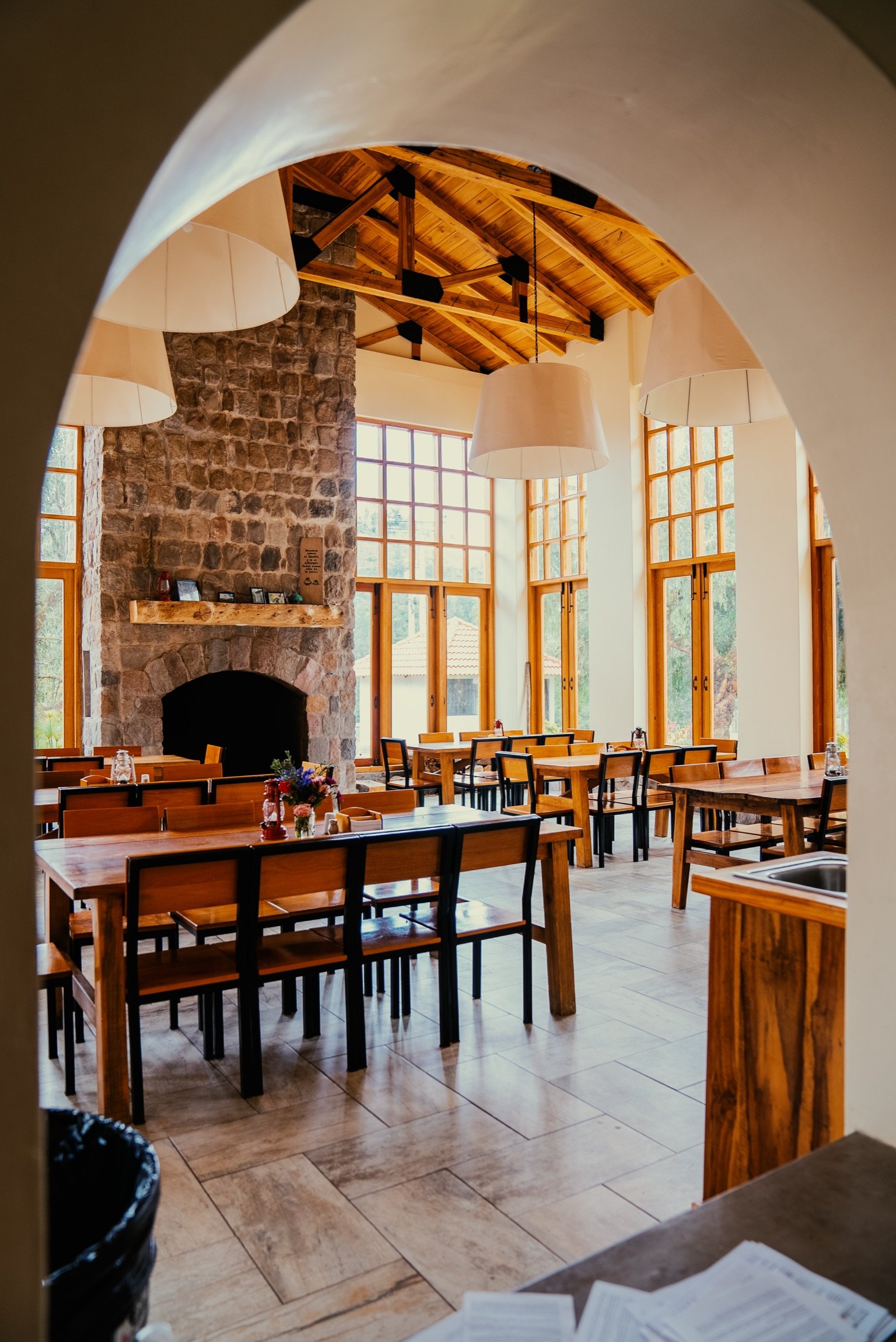
Inside a central building at El Refugio
That shared life is why, in January of this year, something new became possible.
The four elders who had carried the church for decades were getting older. They were thinking about legacy. And they came to the leadership at El Refugio - people they had watched through their best and worst years - and said plainly, "We're struggling. Can you help us?"
It took trust on both sides to say that and to hear it. What followed was a joint project: a church revitalization plan worked out together, aimed at drawing out what is already alive in the congregation while bringing some new ideas to the table. The first question was not what El Refugio could change in the church, but what the church and its neighbors wanted for their community of Calacalí.
Prayer walks were the first step. When short-term teams visited El Refugio last summer, church members paired with visiting team members and served as their guides, showing them what they loved about Calacalí and what was hard. The visitors were, in Suzy's words, "the excuse or icebreaker." On the second round, the church members started the conversations themselves. On the third, they ended them with prayer.
“For me, that was a really special moment,” Suzy says, “seeing the level of dignity that they feel, the level of empowerment and hope, and these little bits of transformation in them as church members, catching a glimpse of what they are capable of through Christ.”
Jordana is back, too. Twelve years ago she was a teenager in the church youth group. She came to El Refugio's camp on a scholarship, later finished its internship, and went on to help lead youth at the church. Then a death in her family shook her faith, and she stepped away for years. This spring she came to the Olsons and said, "God has been working in me. I want to come back. I've been praying for an opportunity." She now helps lead the new youth group.
The church’s new energy is one of several threads converging in Calacalí at once. El Refugio staff have launched a community-wide youth group for teens who have nowhere else to go. Fifteen families in El Refugio’s scholarship program were asked what they wanted to learn this year and answered, almost unanimously, “the Bible,” so a neighborhood Bible study began that draws people who, as Jim puts it, “have never stepped foot into the church.”
“It’s not us (as outsiders) coming in saying, ‘Here’s what we hope for your community,’ but instead it’s local leaders saying, ‘Here’s what we hope for our community.’ - then we get a chance to be part of that alongside them.”
“We’ve been sowing seeds and trying to water the seeds over time,” Jim told a group of One Collective supporters this spring, “and it feels like things are really starting to take off.” “I truly wouldn’t want it any other way,” Suzy says, “because of the lessons that we learn along the way, the growth we experience together, and the beautiful moments that we get to celebrate as we’re experiencing God, His power, and the movement of the Spirit.”
Walk through Calacalí today and you can see what fourteen years of ordinary presence adds up to. A congregation that once waited for the town to come to it now knocks on doors. Teenagers who have never been inside a church have a place to belong. Families who were asked what they wanted to learn are reading the Bible together. And on the hill, a retreat center that could have run its own programs for years is instead being asked, by its neighbors, to help.
None of it belongs to one person or one organization. It grew out of people living alongside one another long enough to trust each other, and then working together the way Jesus showed us - as one community.
That is what lasting change looks like, and it is what One Collective workers are doing in communities around the world - slowly, alongside local leaders, with your support.
More Articles from One Collective: