How a Visible Fund investment in a maize harvest became Threads of Hope - and kept multiplying in Tumaini, Kenya
For years, buying a school uniform in Tumaini meant a trip to the nearest town. The transport alone cost more than the average day's wage, before a parent had spent a single shilling on the uniform itself.
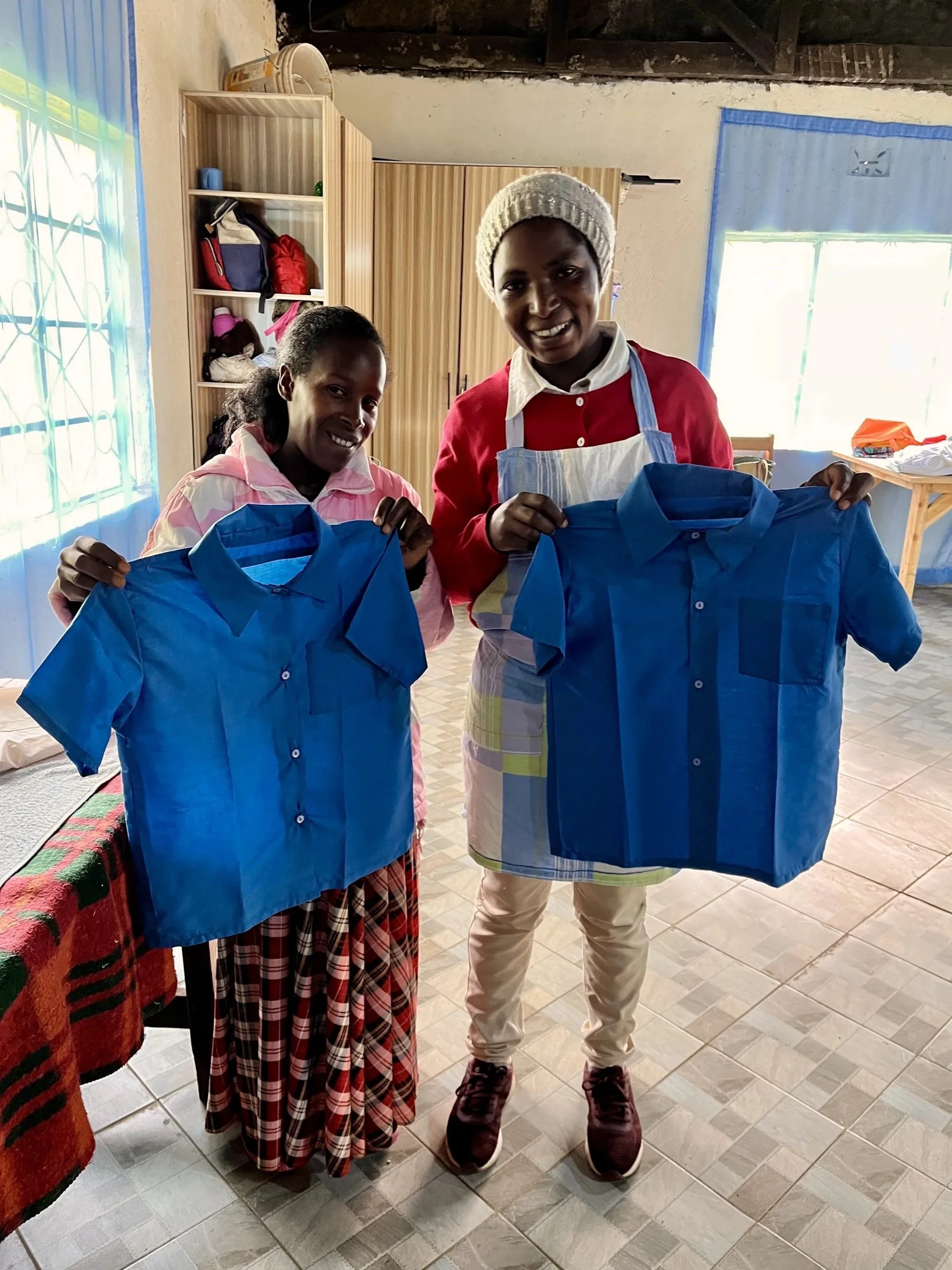
Today, parents can walk down the road to Threads of Hope, buy a quality uniform sewn by women from their own community, and walk home. That short walk is the end of a longer chain - one that started with a maize field and a Visible Fund investment designed to continue creating impact long after it was granted.
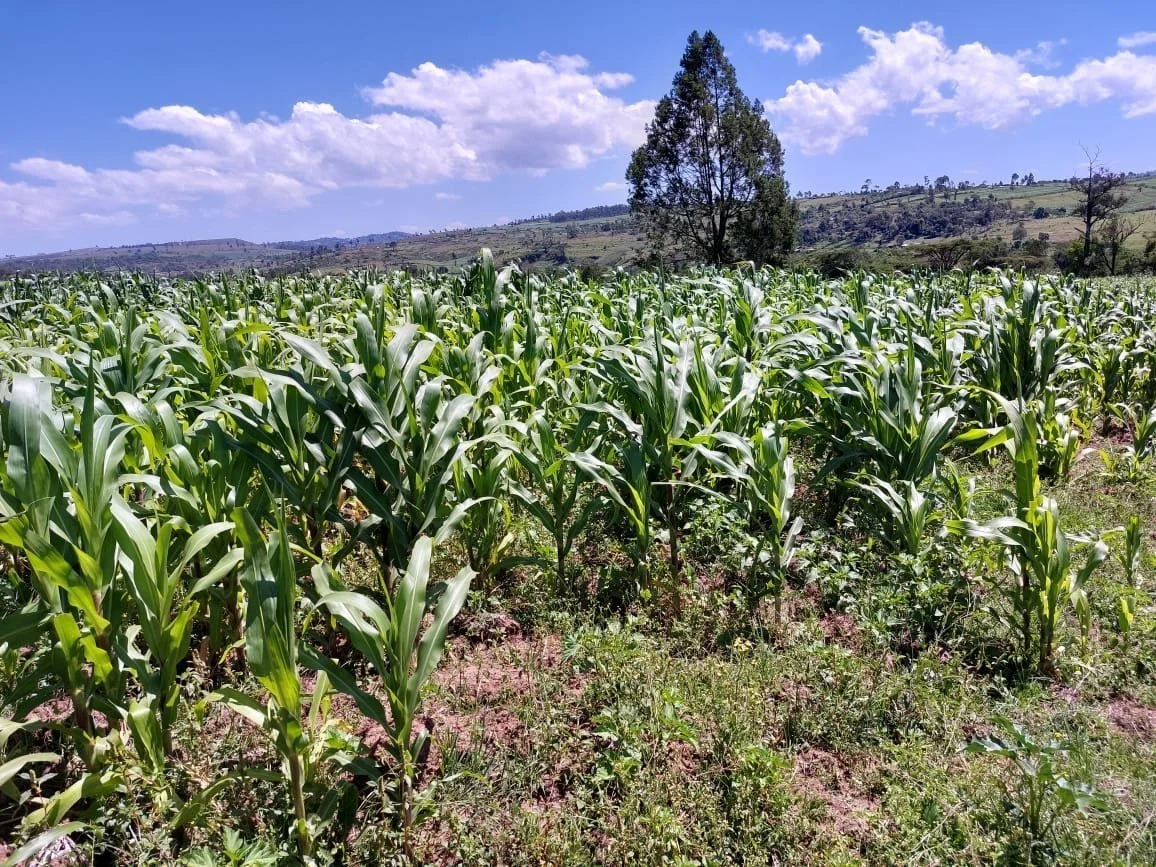
Maize growing on farmland near Tumaini
“What happens when an investment doesn’t just meet an immediate need, but creates the resources to meet the next one?”
Tumaini and Kiambogo are neighboring villages near Molo, in Kenya's Nakuru County. Many families here have limited access to food, clean water and healthcare. The violence that followed Kenya's 2007 election killed people in this community, destroyed homes and left neighbors from different tribes divided. Those wounds are still felt today.
There is another weight, too. Many people here believe a child born with a disability is cursed - a punishment for sin. Some families feel they have no choice but to hide their children away. Matumaini Rehabilitation Centre exists to change that, caring for children and young people with disabilities, walking alongside their families, and teaching the wider community the truth about disability.
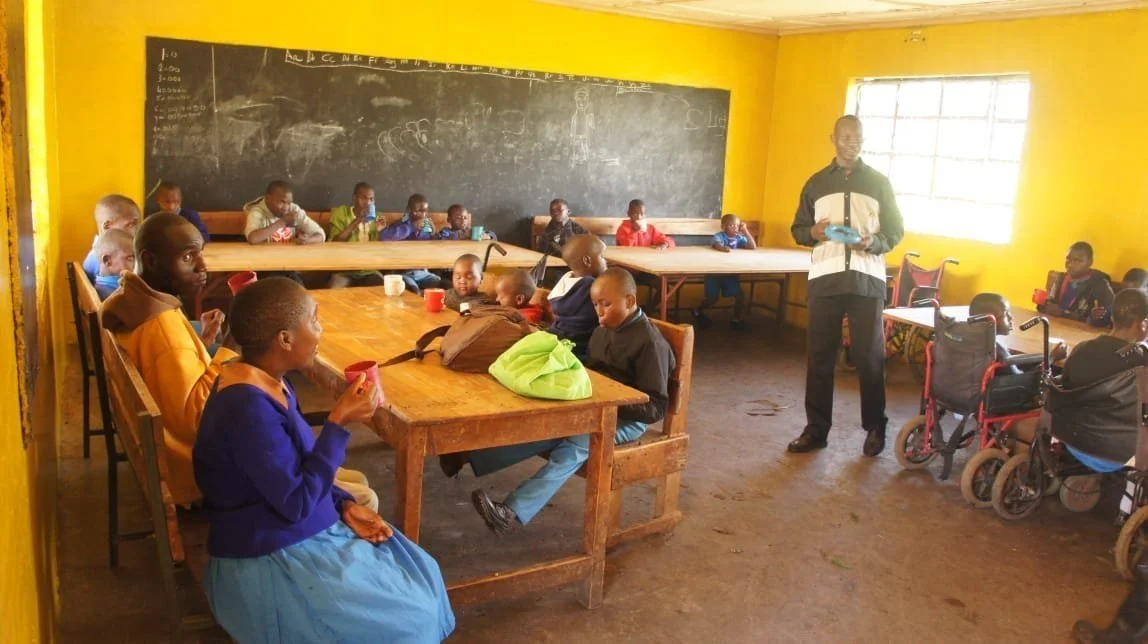
A classroom at Matumaini Rehabilitation Centre
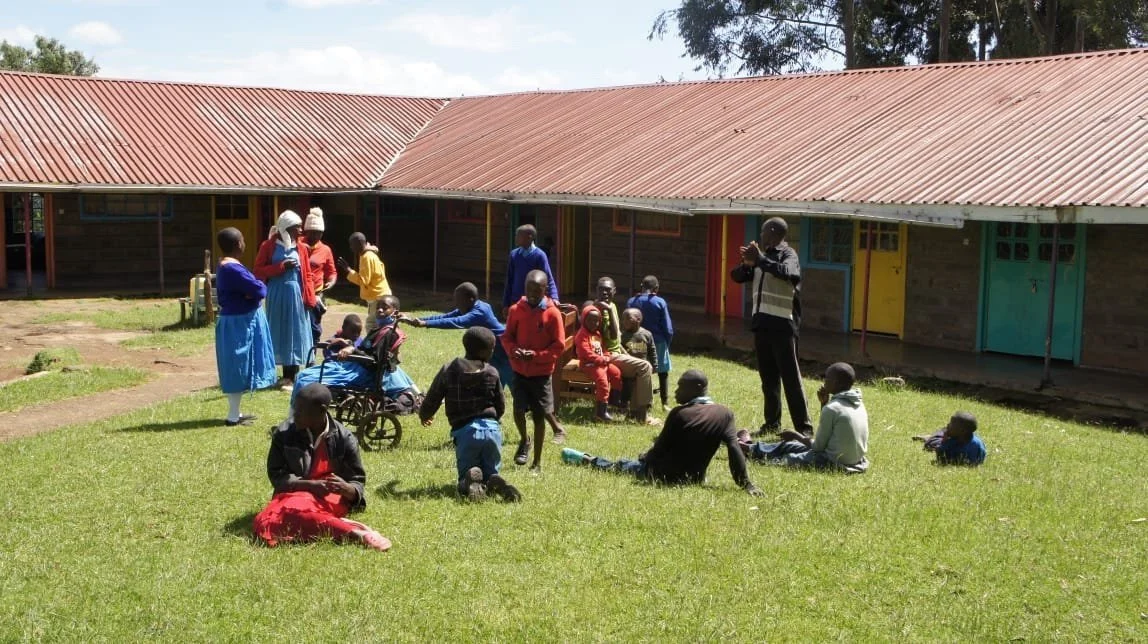
The grounds of Matumaini Rehabilitation Centre
The center needed steady income to keep going. So the Visible Fund made a small recoverable grant to plant maize across 20 acres, with the harvest designed to help sustain the center and repay the Fund. The maize did its job. The harvest turned a profit. Today, that investment is multiplying in ways that reach far beyond sewing.
Rather than stopping there, the team put those profits to work. Combined with additional fundraising, they became the start-up capital for Threads of Hope - a sewing vocational training and discipleship program for women in the community.
Women come to learn a trade and earn an income. Alongside the sewing, they study Scripture together, discover their value in Christ, and grow in confidence for everyday life.
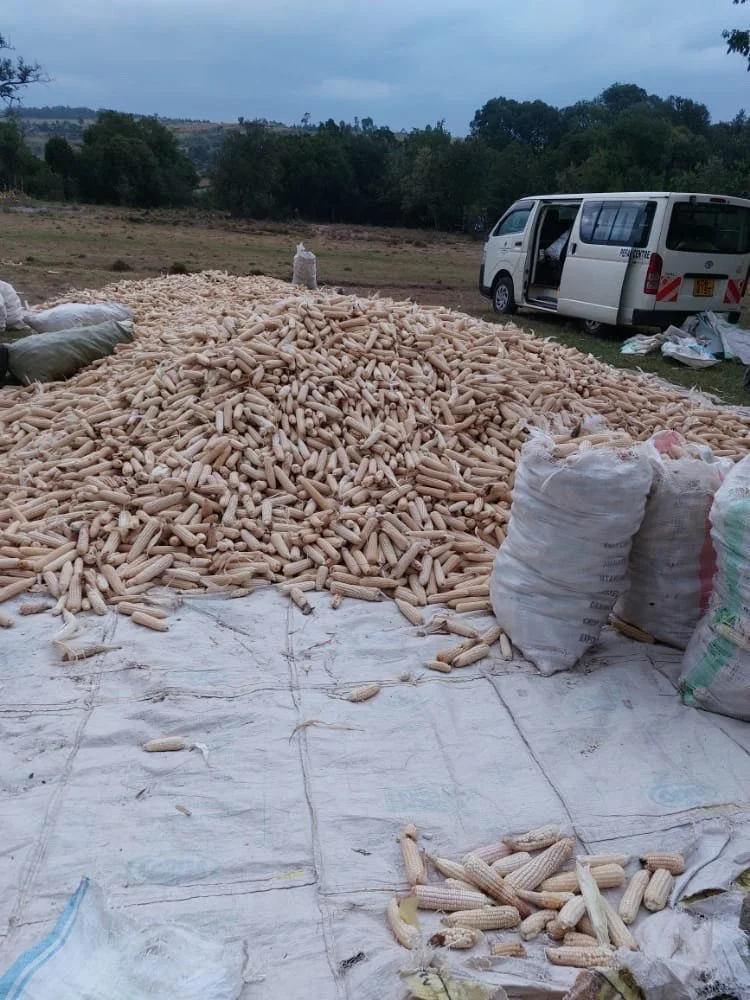
Maize from the harvest drying in the sun
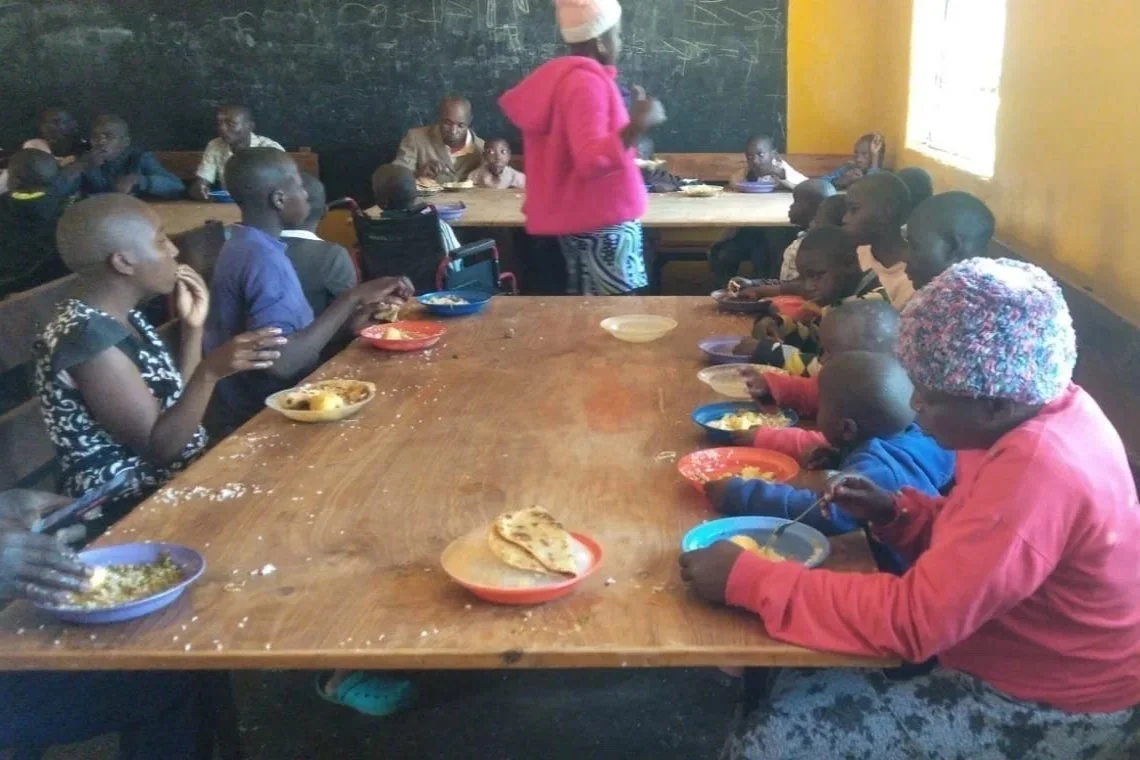
Mealtime at Matumaini Rehabilitation Centre
What is the Visible Fund?
The Visible Fund is One Collective's impact fund. It puts charitable giving to work the way an investor would - backing Christ-centered social enterprises led by trusted local leaders in some of the hardest places in the world. Each venture is evaluated for sustainability and long-term community impact, and as investments are repaid, the same dollars are recycled into the next one.
A dollar given today can support ministry for years to come - reducing dependence on donations and empowering local leaders to shape their own futures.
Fund impact snapshot since establishment in 2020:
Teresia started Threads of Hope as a trainee. With a consistent income, she has kept all four of her children in school for the past nine months. Through the program's discipleship, she has grown confident sharing God's Word with her neighbors - and today she serves as an assistant trainer, equipping other women in her community.
Susan was pregnant during her training. Through Threads of Hope, she learned to budget and began setting aside small amounts each week in savings jars, including one just for medical needs. Those savings and the income she earned allowed her to receive prenatal care and give birth in a hospital - options that simply weren't possible with her first child.
Loice can now afford her daughter's monthly medication every month. She says that through Threads of Hope, she has also learned how to read the Bible and pray.
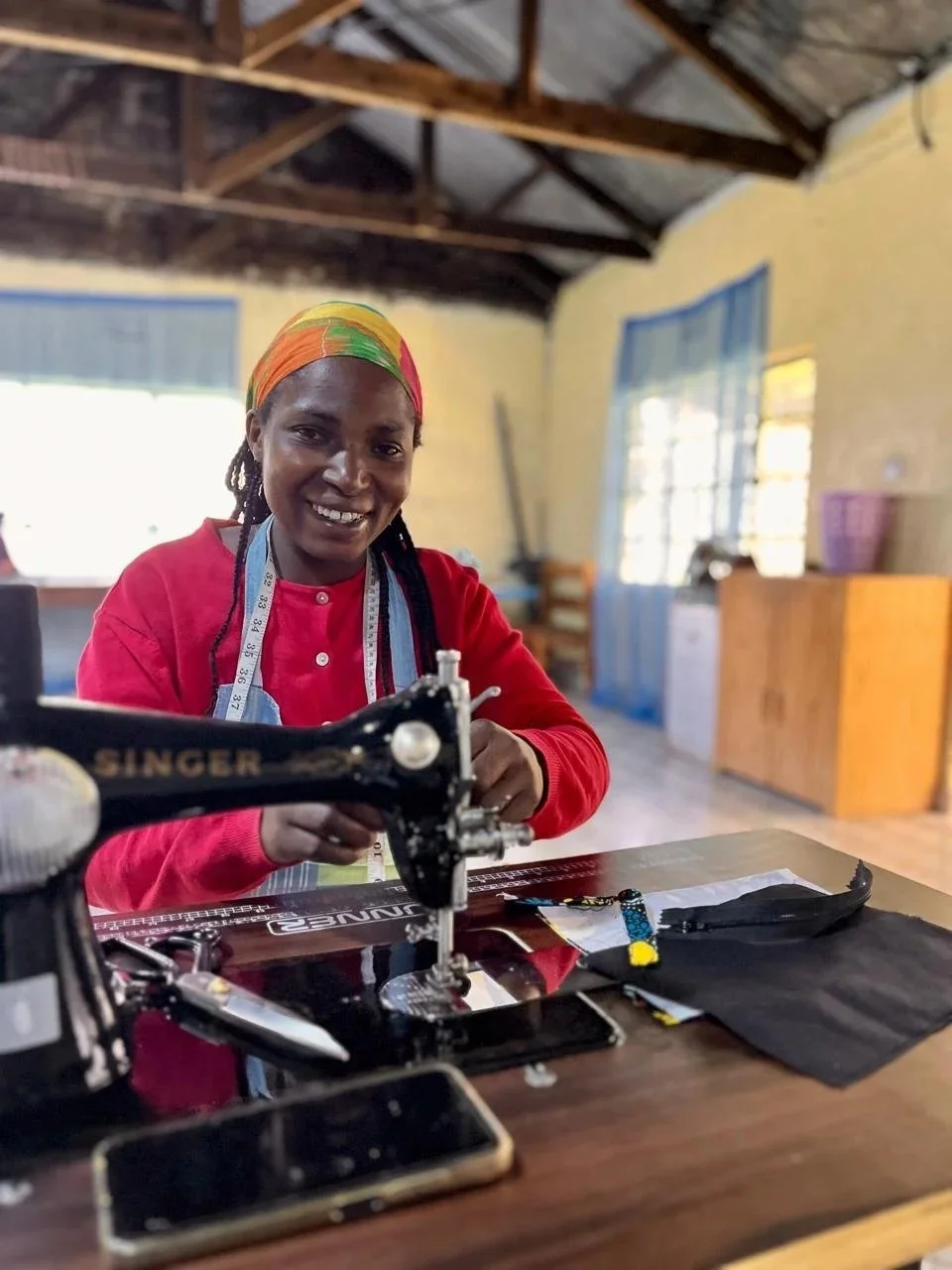
Teresia, now an assistant trainer at Threads of Hope
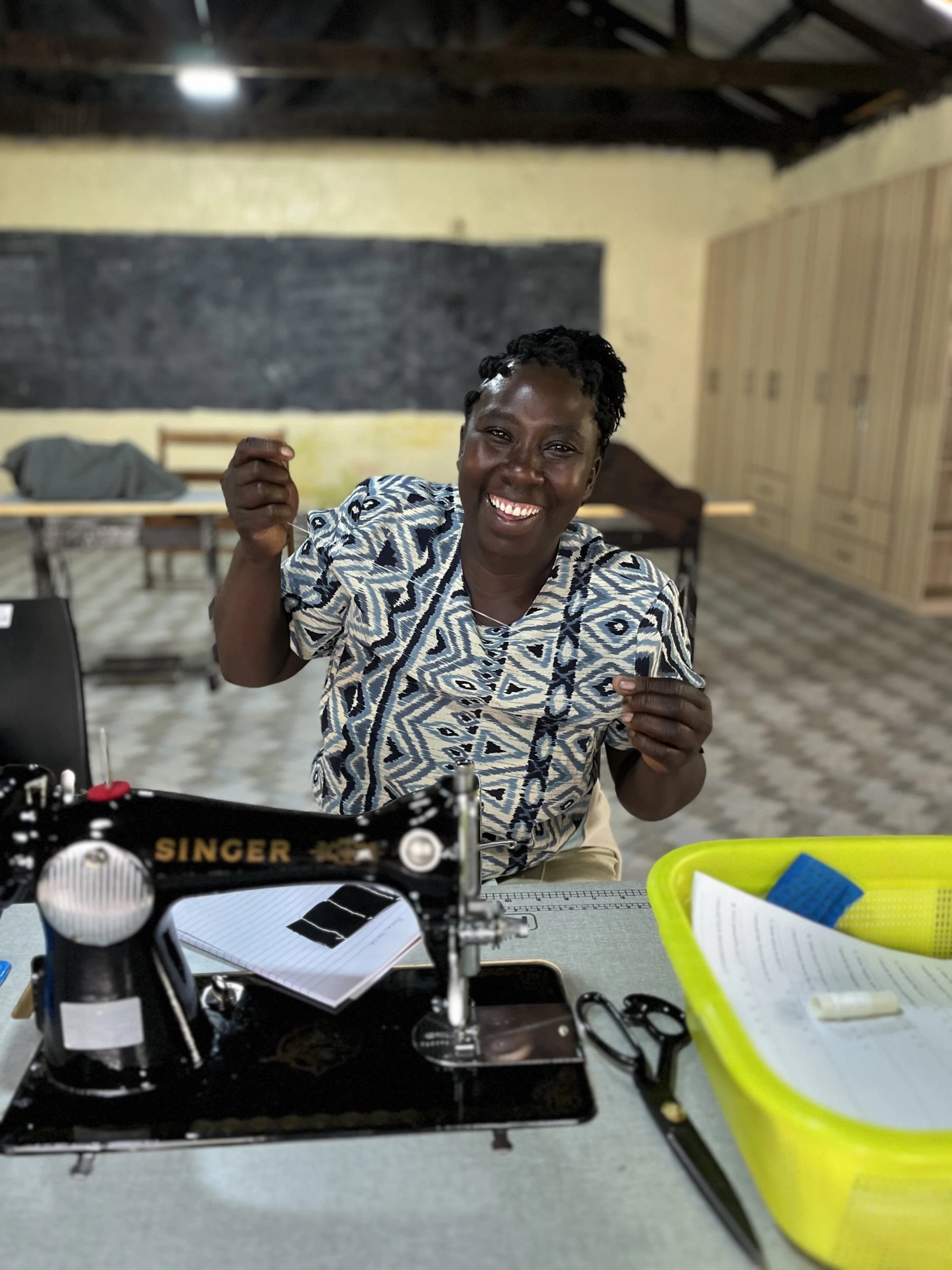
Loice at work in the Threads of Hope workshop
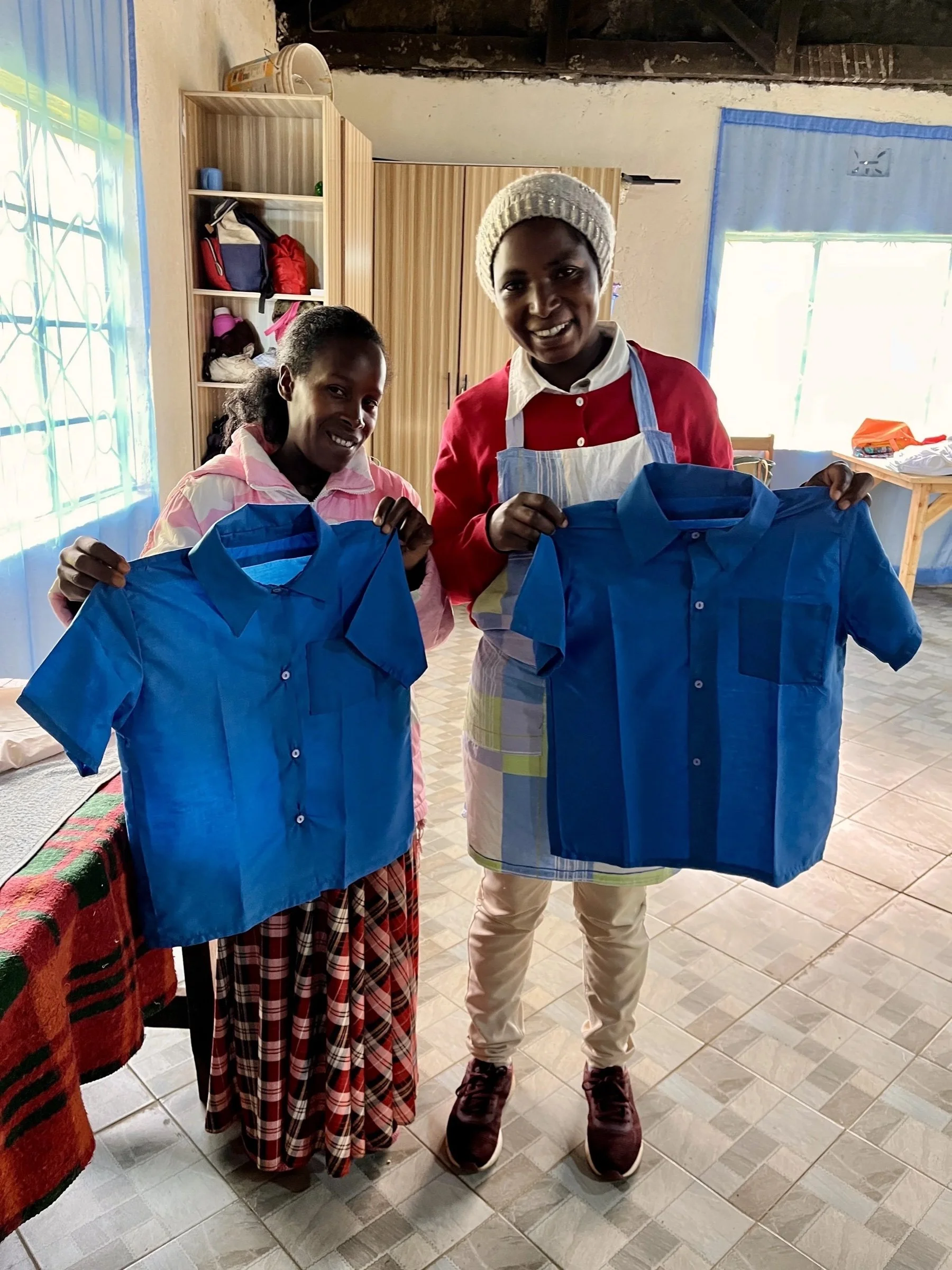
School uniforms sewn at Threads of Hope
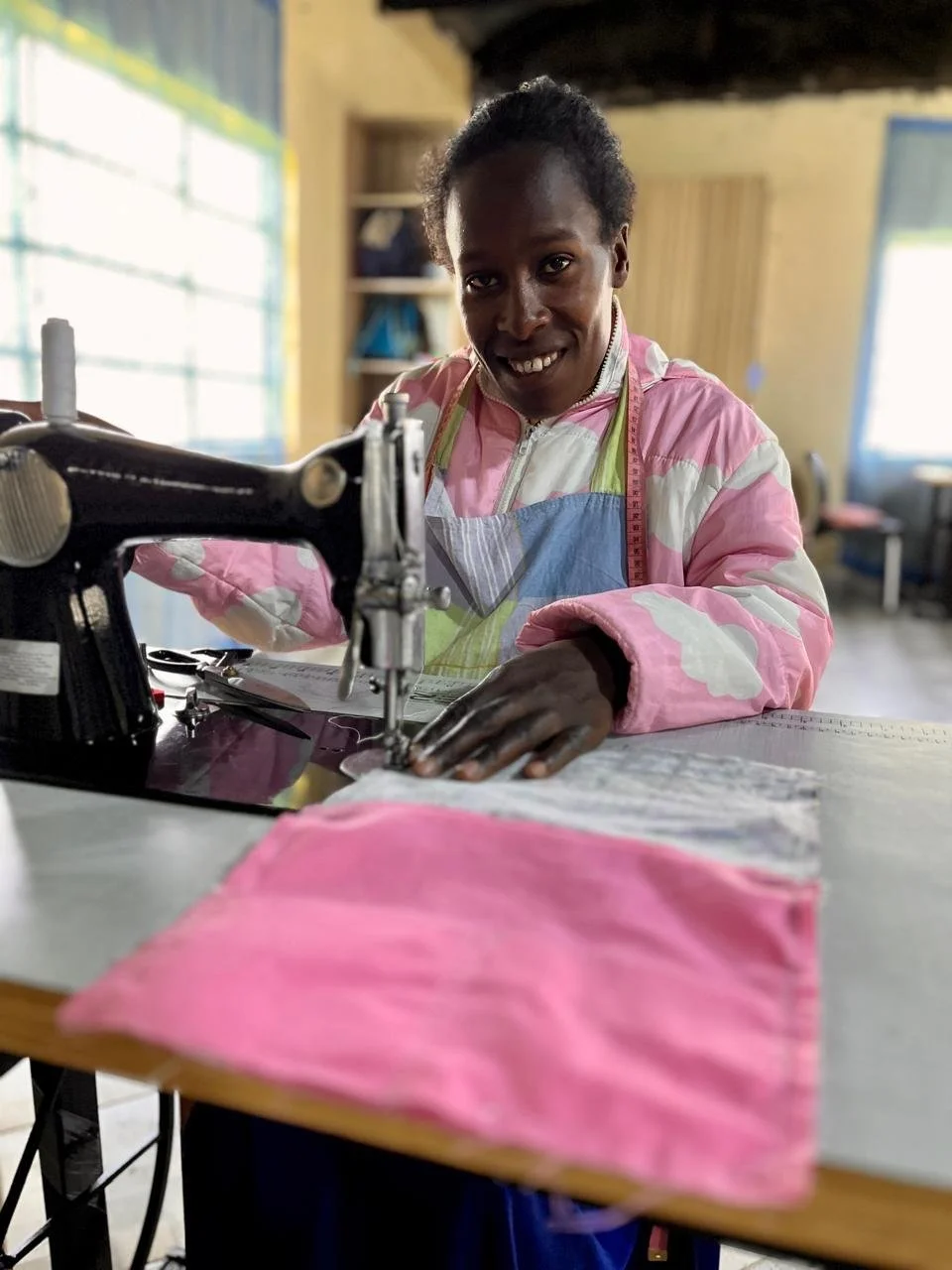
Susan at her sewing machine
The impact doesn't stop with the women in the room. Threads of Hope rents its space from Matumaini Rehabilitation Centre, giving monthly income to a local organization that now serves more than 80 children and youth with disabilities. It repairs school uniforms for the center's students at no cost, and it gives a portion of its profits back to the center.
The program is opening doors for young people with disabilities, too. One young woman with limited use of one arm is learning to run a knitting machine, making the sweaters that go with the school uniforms, and families across Tumaini benefit every time they buy a uniform close to home - saving the cost of a trip to town and supporting women from their own community in the process.
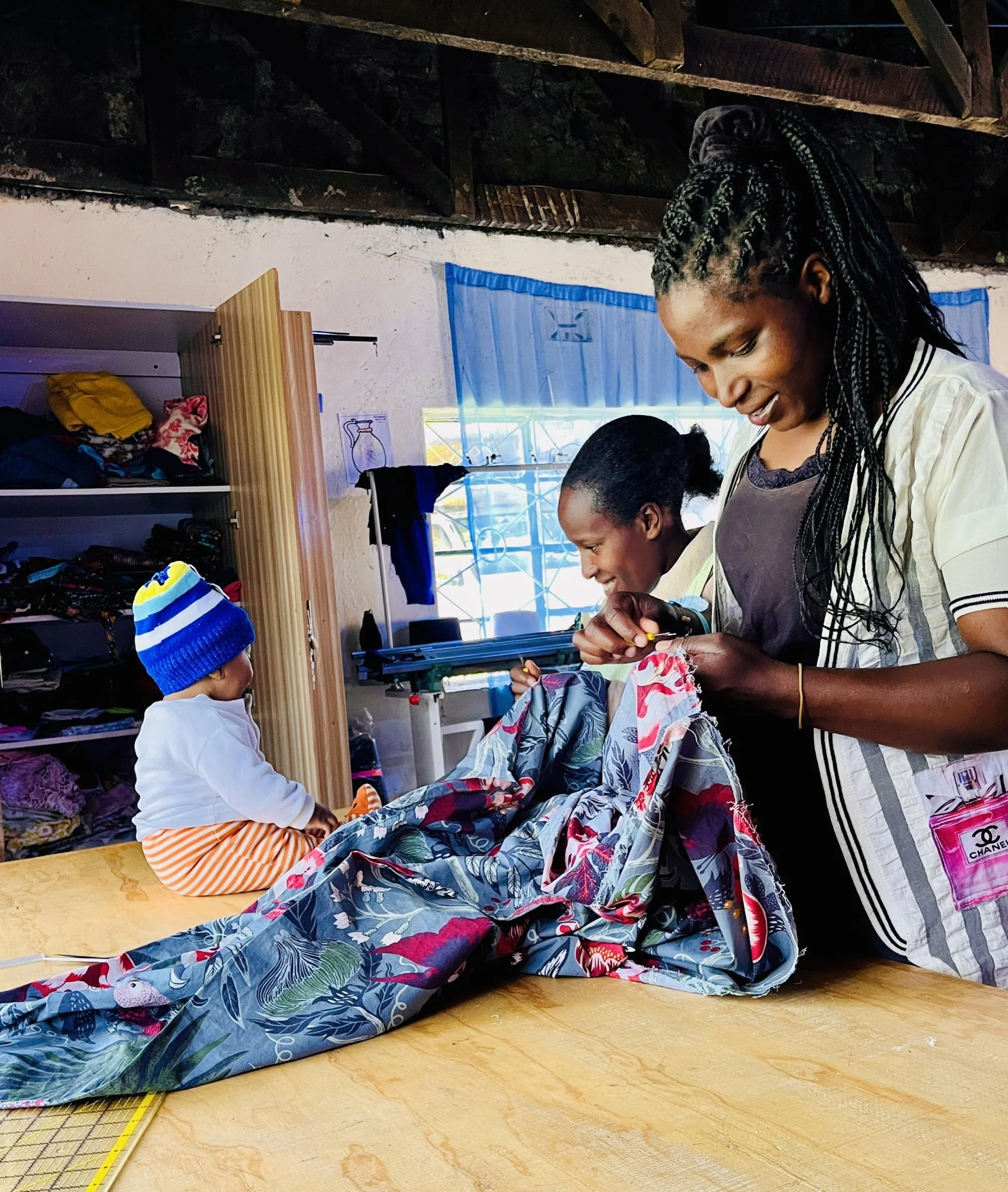
Women learning together in the Threads of Hope workshop
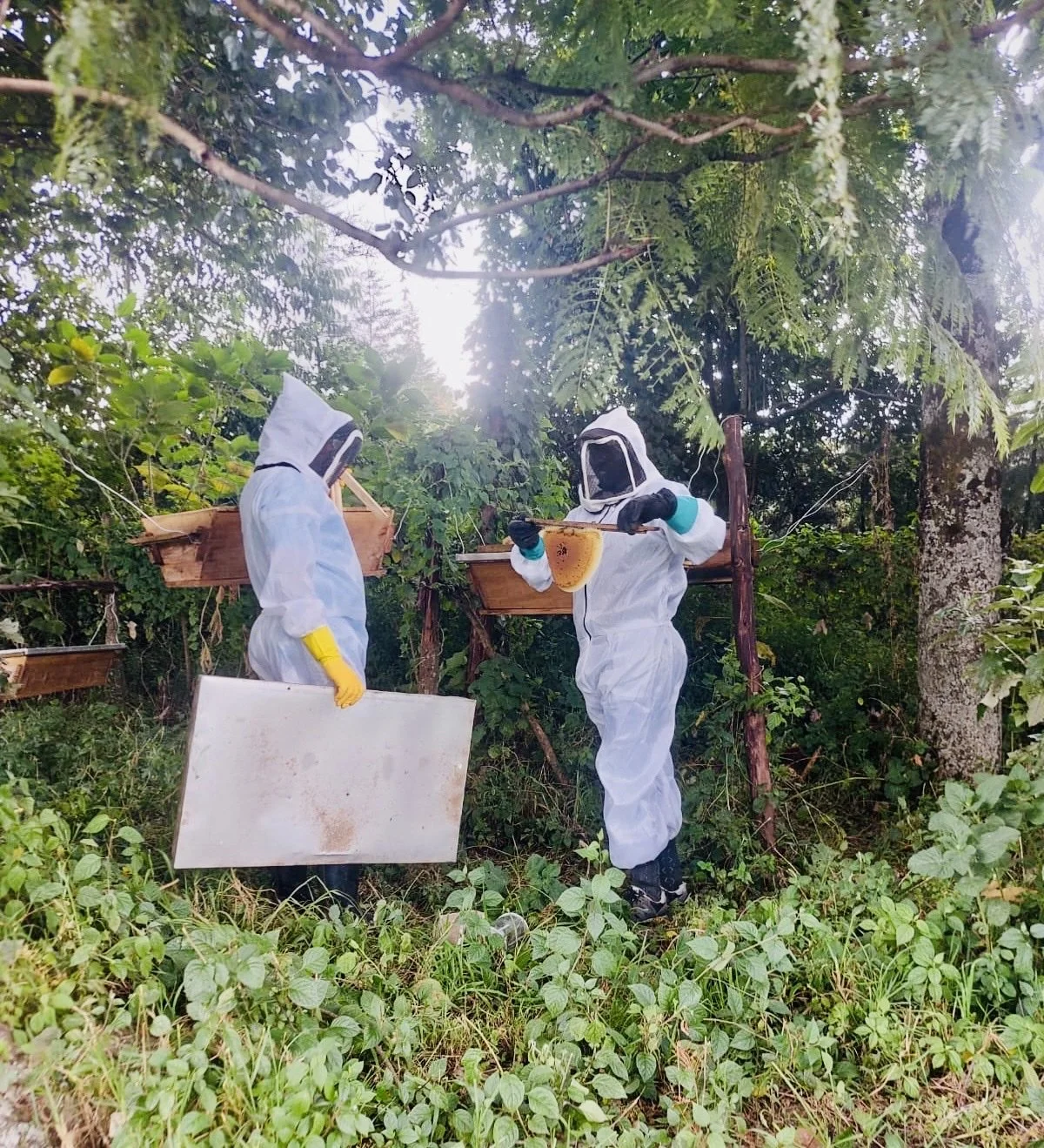
Tending beehives in Kenya
The original Visible Fund investment has now been repaid in full. The team is exploring how those same dollars can be reinvested in Threads of Hope and in the wider work of community transformation in Tumaini.
One investment helped grow a harvest. The harvest helped launch Threads of Hope. Women gained skills and income. Children stayed in school. A mother gave birth safely in a hospital. Young people with disabilities found meaningful work, and a local rehabilitation center grew stronger. Parents who once spent a day's wage just to reach a uniform shop now buy from their neighbors.
Women like Teresia are now leading others and sharing the hope of Jesus. This is the multiplication the Visible Fund was created to make possible - and with the first investment repaid, it is ready to begin again.
More Articles from One Collective: