In Elgin, Illinois, churches, nonprofits and the City built a winter shelter together. Three winters in, they're asking a harder question.
Last winter, the temperature in Elgin, Illinois, dropped to 13 degrees below zero. The wind chill reached 41 below.
Over 103 nights, 223 people came through the doors of the city's winter shelter. More than half of them had been sleeping directly on the streets before they arrived. For people without a safe place to sleep, cold like that is life-threatening.
The shelter opened in December 2023, but the process of working together to create it began far before that. Much like other communities where One Collective is at work around the world, work in Elgin started with listening. Again and again, when the team in Elgin has asked residents about the needs they see in their city, the answer has come back the same: housing and homelessness. In the newest needs assessment, released this last fall, it is still the number one concern.
That’s why the shelter became a shared project. Local churches and nonprofits worked with the City of Elgin to keep it open every night of the season for the last few years, giving churches consistent ways to volunteer and giving guests steady access to services. Alex Madrid, One Collective Elgin's housing and homelessness coordinator, leads operations and strategy for the shelter each year.
Alex came to this work after four years at a recovery program. He remembers his first day working with this population in Elgin; "When I looked into their eyes, and heard their stories, I realized that they were people just like me… I realized that they were my neighbors."
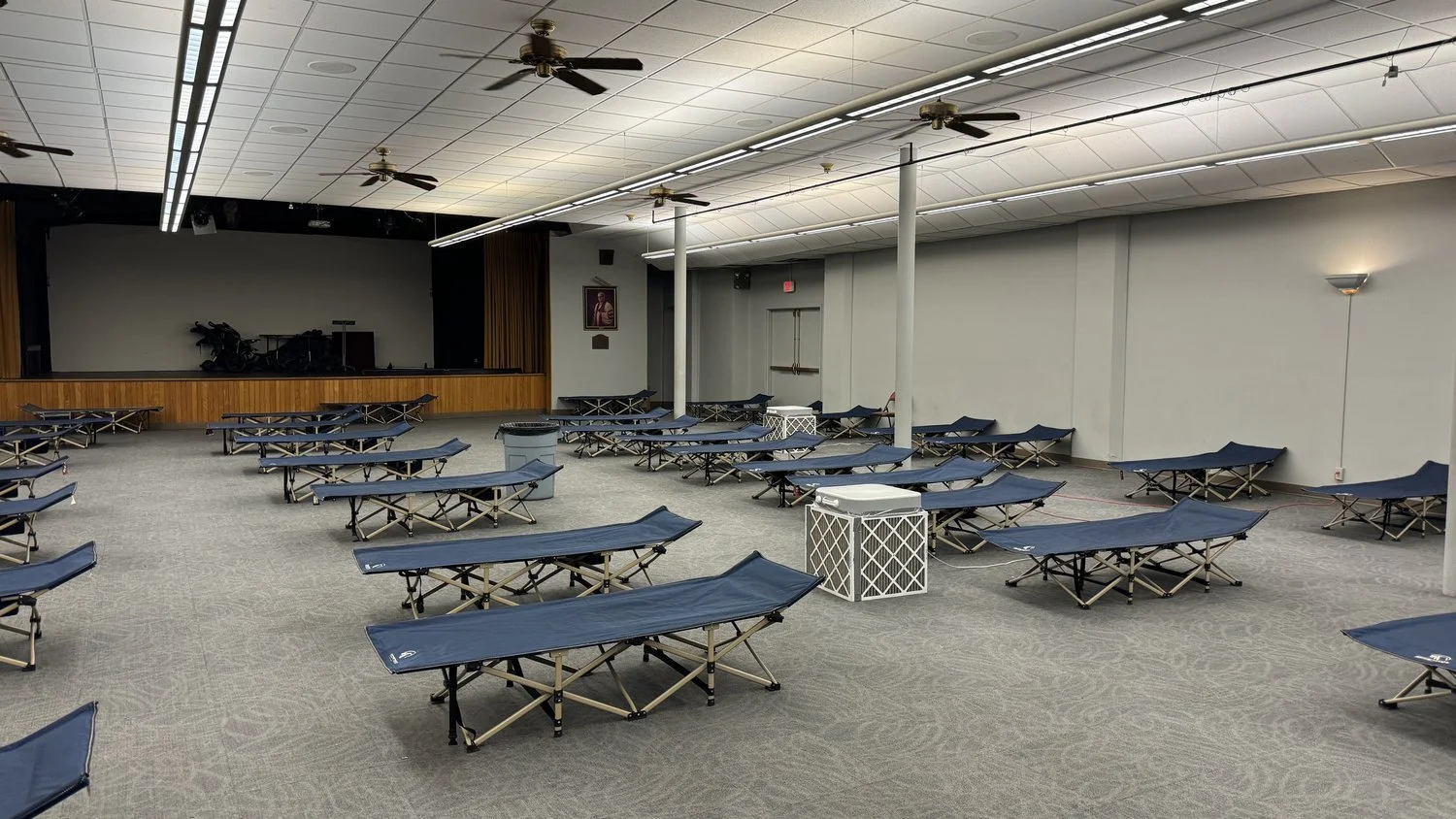
Cots set up for guests at the Elgin winter shelter

Elgin, Illinois, in winter
Over its first three seasons, the shelter has provided about 18,600 nights of shelter and recorded 755 guest stays, with some people returning in more than one year. Hundreds of volunteers have helped make it possible. Guests have been connected with housing opportunities, mental health services, medical care and other resources.
But for the people running it, the numbers only tell part of the story.
They have watched people find housing, reconnect with family, begin receiving mental health treatment and take steps toward stability. They have also walked alongside people who continue to struggle, "sometimes despite years of effort from the individuals themselves and the organizations trying to help," Alex says.
“What stands out to me most isn’t necessarily the numbers. It’s the relationships we’ve built and the people we’ve gotten to know along the way.”
Three winters have made one thing clear. Emergency shelter is necessary, but it isn't a long-term answer to homelessness.
"Providing someone with a warm place to sleep for the night is important," Alex says. "But what happens when they leave the following morning? Or when the shelter closes for the season?"
That question has pushed One Collective Elgin to work with community partners on a longer-term approach: a central, one-stop location where people experiencing homelessness can find shelter, supportive services and pathways toward permanent housing in one place, instead of navigating multiple organizations, appointments and locations on their own.
The plan is still taking shape. "There's still a great deal of work ahead," Alex says, "but I'm encouraged by the collaboration taking place and the shared commitment to finding a better way forward."
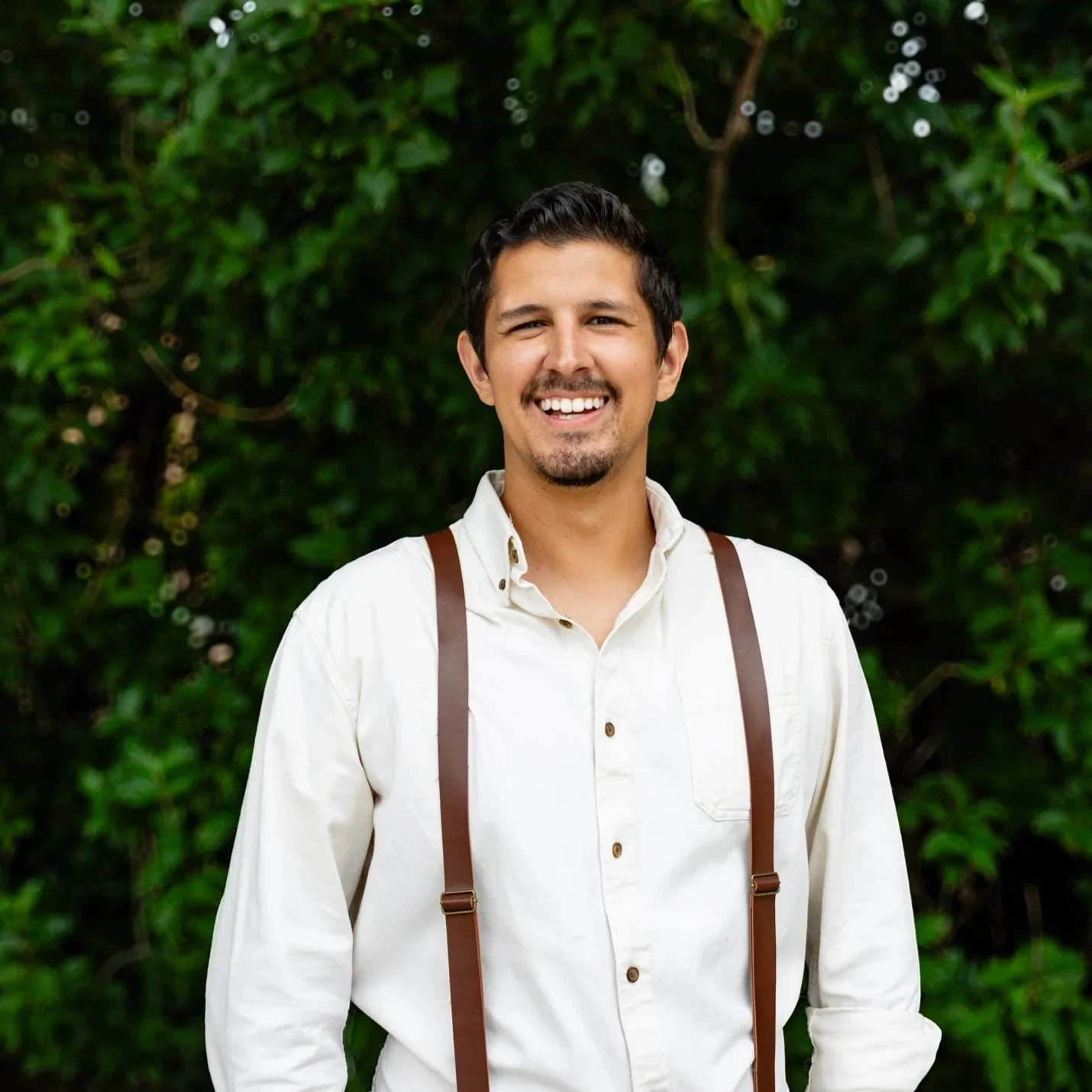
Alex Madrid - housing and homelessness coordinator for One Collective in Elgin
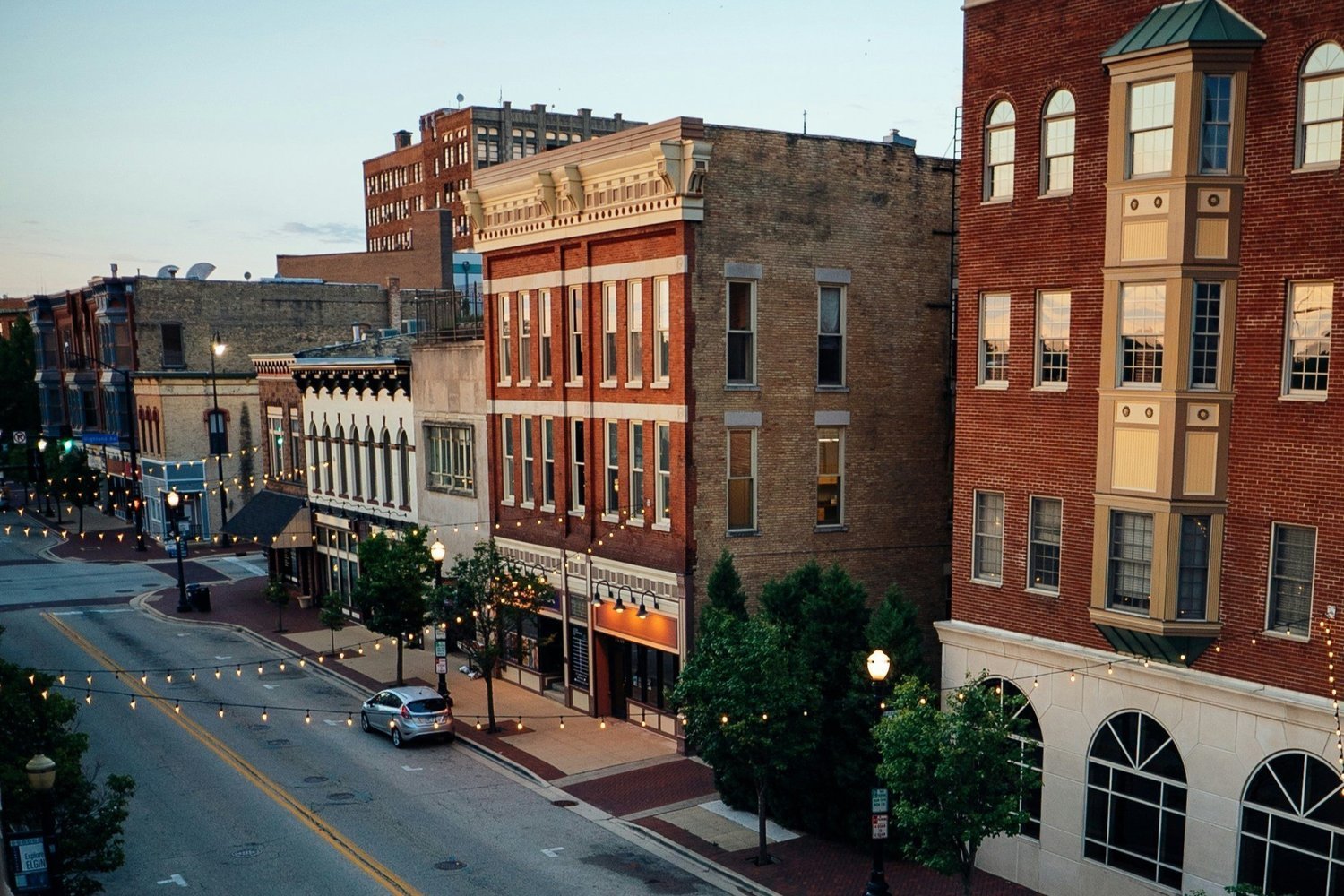
Downtown Elgin, Illinois
This year’s needs assessment asked residents a second question, too: what skills and resources would they be willing to contribute to solving their city's problems? More than 300 people answered. Professional skills, time and volunteering, and communication and advocacy made up nearly three quarters of the responses. Elgin's residents see themselves as part of the solution.
That is what allows the shelter to continue, and work with these populations to focus on longer-term goals. As the fourth season approaches and temperatures begin to drop again, the team is coordinating with the City, working with community partners, hiring staff, recruiting volunteers and handling the countless details of running a shelter seven nights a week.
Winter will be back in Elgin soon. The cots will come out, the volunteers will sign up, and the doors will open again. But the work Elgin is doing together now reaches past the season. "Although we want to operate the winter shelter the best we can," Alex says, "our goal is to create a community where fewer people need one in the first place."
More Articles from One Collective: