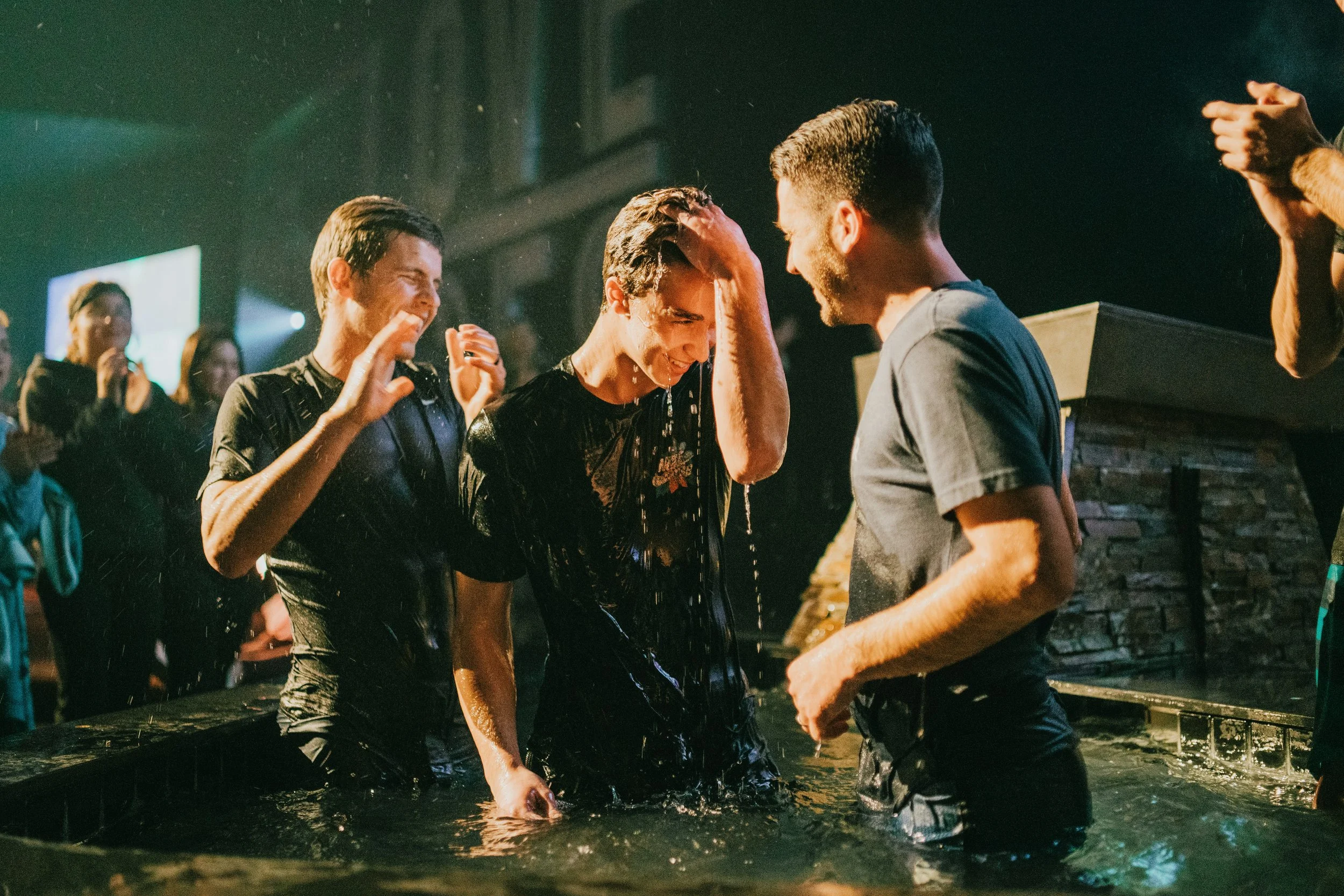
How a Visible Fund investment is still working 5 years later in East London, South Africa
Five years on, a single Visible Fund investment is still creating jobs, partners, and now new business owners in South Africa.
A year ago, seven young women in a settlement beside the East London airport had one thing in common: none of them had ever held a job. Their township, like most around the city, is a relic of apartheid - isolated, under-resourced, and facing youth unemployment that runs near double the national rate. Today all seven have spent a year working and training in a youth-run recycling business, and the first of them is registering a company of her own.
Between those two extremes is the story of a ministry that nearly ran out of money, a blunt question from a skeptical businessman, and a Visible Fund investment that paved the way for long-term business work in the communities surrounding East London.
We sat down with Scott Worley, our Catalyst in East London, to hear how it happened in his own words.
Scott has spent years working with community leaders across the townships, and he is honest about the limits of good intentions. His team trained young people, but training alone kept coming up short. “It’s one thing to train people,” he says, “but training isn’t enough. You actually need to give people more of an enabling platform.”
The deeper problem was finances. “We were still facing this very real problem that I would call a funding cliff,” Scott recalls. Then one conversation changed everything. “We had a call with a business owner, and he told us: look, until you can show me how this is economically viable, I can’t really help you. And that hit us like a punch in the gut. What we realized was, we are trying to train young entrepreneurs, but we are not truly being entrepreneurial ourselves.”
So they flipped the model. Rather than depend forever on donations, they would build a business of their own - one that creates work for township youth and generates real revenue. “We use it as an enabling platform for youth development,” Scott says, “but also generate revenue, so that more of the nonprofit’s expenses are met from business-generated revenue rather than relying forever just on donations or grants.”
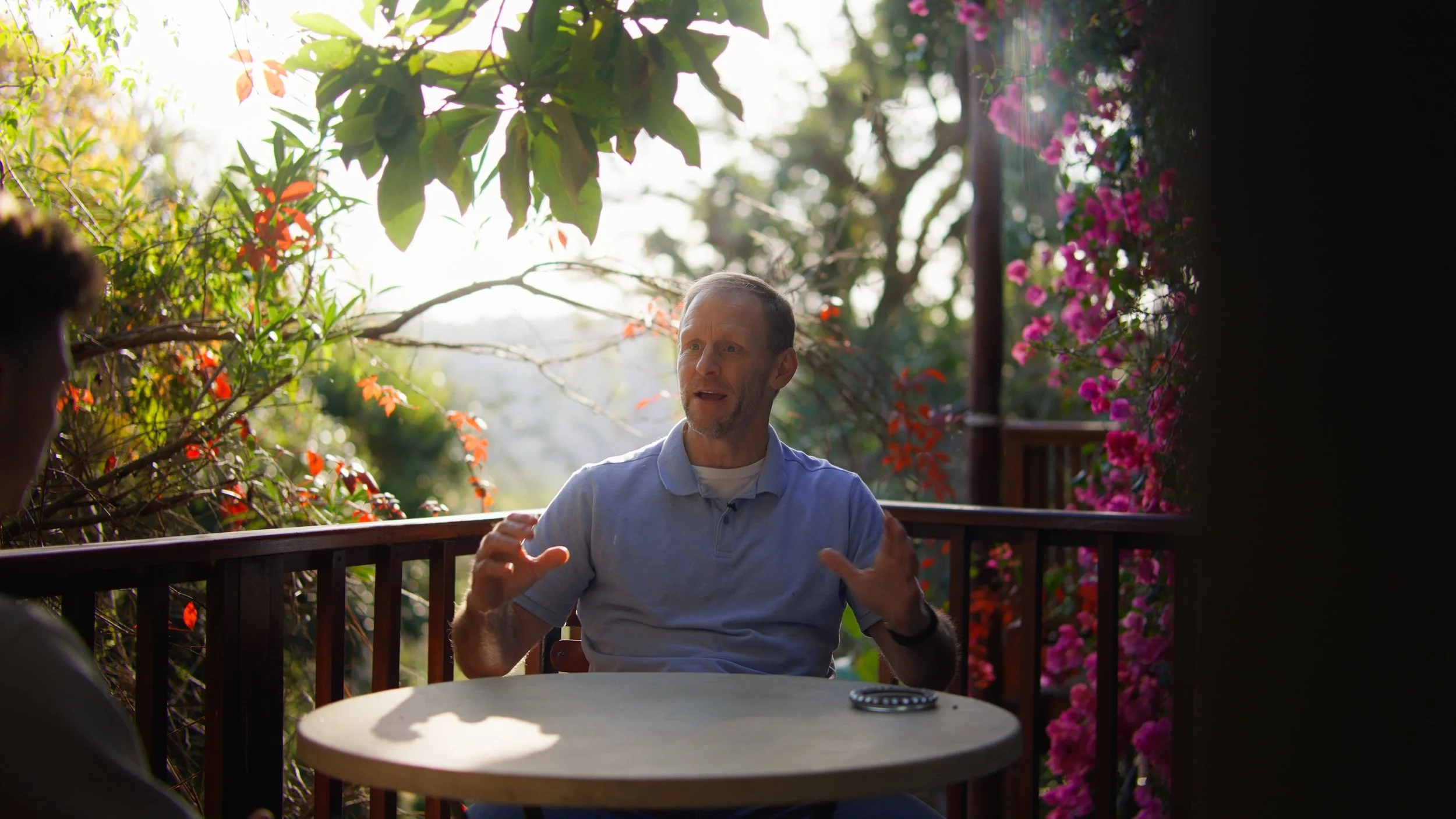
Scott Worley - Catalyst/Team Leader in East London
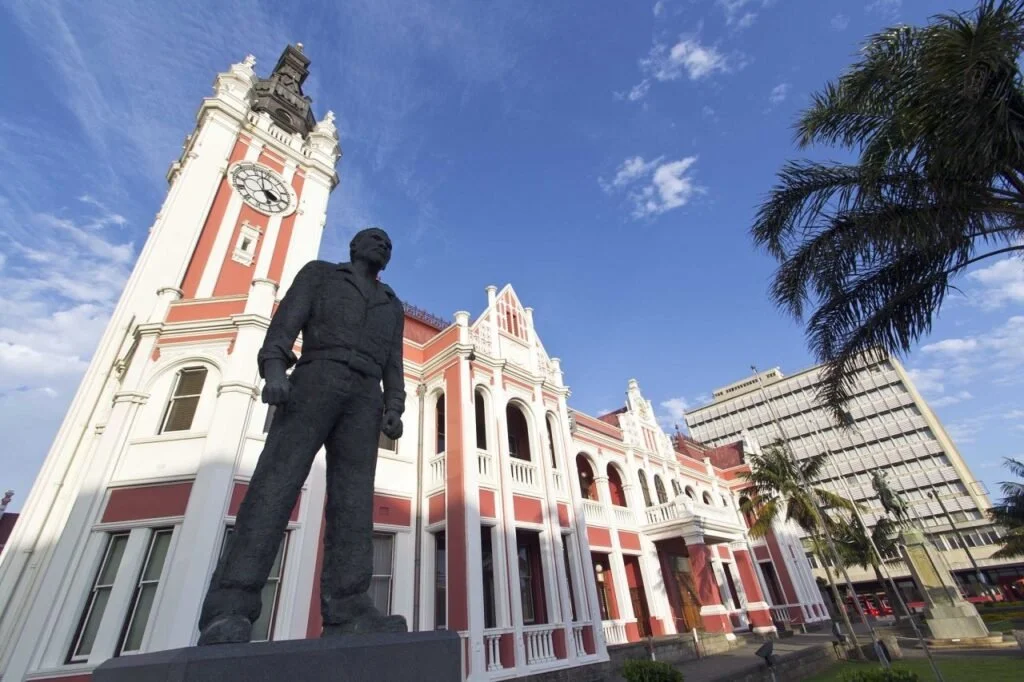
Town hall in downtown East London
That idea needed capital to get off the ground - and it arrived through One Collective’s Visible Fund. Around the start of the pandemic, the team received a Visible Fund investment of roughly $55,000. It became the seed for a youth waste-recycling enterprise: community members are paid for the waste they collect, young people are employed to run the operation, and the business has kept the ministry’s doors open ever since.
That investment compounded. The business earned the team a grant from Mercedes-Benz, which has continued every year since. “Finally, we’ve been able to escape from survival mode, spread our wings, and get back to the why of why we started all of this in the first place… The Visible Fund created the conditions to get us local partnerships that would unlock even more capital to help us continue to build.”
What is the Visible Fund?
The Visible Fund is One Collective's impact fund. It puts charitable giving to work the way an investor would - backing Christ-centered social enterprises led by trusted local leaders in some of the hardest places in the world. Each venture is evaluated for sustainability and long-term community impact, and as investments are repaid, the same dollars are recycled into the next one.
A dollar given today can support ministry for years to come - reducing dependence on donations and empowering local leaders to shape their own futures.
Fund impact snapshot since establishment in 2020:
With that backing, the team is finally back to its original vision - employing youth, and helping them start businesses of their own.
Over the past year the team took seven unemployed young women through weekly classroom training and paid on-the-job work. Now the first of them is registering a recycling business; the team will buy the waste she collects and pay her business rather than a salary. “So now we’re graduating and piloting what it means to be a small-business incubator,” Scott says.
“We just could not have mapped what it would take to get there,” he admits. “But it’s encouraging that if you stick with it and you don’t give up, that tension will never fully go away, but it will have increasing resolution, if you’re patient enough to see it out.”
Recycling in action in East London
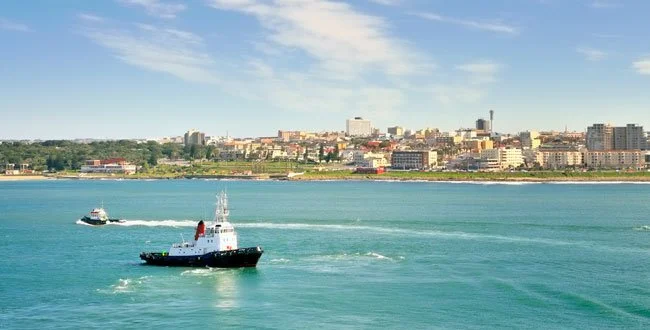
The city of East London from the coast
Ask Scott what made the difference, and he keeps returning to the shape of the support, not just its size. Because the Visible Fund invests rather than simply gives, the ministry can now stand in two places at once. “We can be a nonprofit grant recipient, but we can also pursue business revenue sources,” he says. “It’s been a beautiful model.”
It is the difference between money that is spent once and money that keeps working - the kind of partnership that lets a leader on the ground stop surviving and start building.
Watch the full conversation
In this 43-minute interview, Scott walks through the whole story: the history of East London's townships, the funding cliff that nearly ended the work, the business owner's question that changed everything, how the Visible Fund works as "catalytic capital," the Mercedes-Benz and Airports Company partnerships, and the incubator now helping young people start businesses of their own.
More Articles from One Collective: